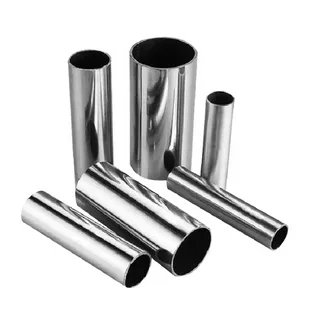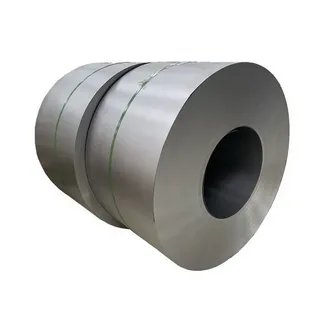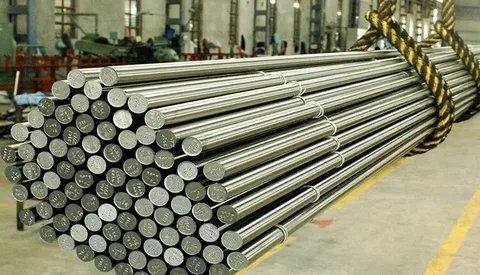
Steel is one of the most widely used materials in the world, but not all steel is created equal. Among its many variations, alloy steel stands out for its enhanced strength, durability, and versatility. From massive construction projects to precision automotive components, alloy steel plays a critical role across industries.
In this detailed guide, we will explore what is alloy steel, its key elements, types of alloy steel, important alloy steel properties, real-world alloy steel examples, and the most common applications and uses of alloy steel.
What Is Alloy Steel?
What Is Alloy Steel and How Is It Different from Carbon Steel?
To understand what is alloy steel, we must first look at its composition. Alloy steel is a type of steel that contains additional alloying elements besides carbon and iron. These elements—such as chromium, nickel, molybdenum, vanadium, manganese, and silicon—are added in controlled amounts to improve specific mechanical and chemical properties.
Unlike carbon steel, which primarily relies on carbon content for strength, alloy steel is engineered to deliver enhanced hardness, corrosion resistance, toughness, and wear resistance. This makes alloy steel suitable for demanding environments where ordinary steel would fail.
Why Alloy Steel Is Important in Modern Manufacturing
The reason alloy steel is so widely used lies in its adaptability. By altering alloying elements, manufacturers can create steels tailored for high temperatures, heavy loads, corrosive conditions, or extreme pressure. This flexibility has made alloy steel essential in industries such as automotive, aerospace, construction, energy, and heavy machinery.
Key Elements in Alloy Steel
Alloying Elements That Define Alloy Steel Properties
The performance of alloy steel depends heavily on the type and proportion of alloying elements added. Each element contributes unique characteristics to the final material.
- Chromium: Improves hardness, wear resistance, and corrosion resistance
- Nickel: Enhances toughness and impact strength
- Molybdenum: Increases strength at high temperatures
- Vanadium: Refines grain structure and improves fatigue resistance
- Manganese: Enhances strength and improves hardenability
- Silicon: Improves elasticity and oxidation resistance
These elements collectively influence key alloy steel properties, making the material suitable for specialized applications.
Types of Alloy Steel
Types of Alloy Steel Based on Alloy Content
One of the most common ways to classify alloy steel is by its total alloying content.
Low Alloy Steel
Low alloy steel typically contains less than 5% alloying elements. It offers better strength and toughness than carbon steel while remaining cost-effective. This category is widely used in structural components, pipelines, and automotive parts.
High Alloy Steel
High alloy steel contains more than 5% alloying elements. Stainless steel is the most well-known example. These steels provide exceptional resistance to corrosion, heat, and wear, making them ideal for extreme environments.
Types of Alloy Steel Based on Application
Structural Alloy Steel
Designed for construction and infrastructure, structural alloy steel provides high load-bearing capacity and durability.
Tool and Die Alloy Steel
Used in cutting tools, molds, and dies, this type offers extreme hardness and wear resistance.
Heat-Resistant Alloy Steel
This type of alloy steel maintains strength at elevated temperatures and is commonly used in turbines and furnaces.
Alloy Steel Properties
Mechanical and Chemical Alloy Steel Properties
Understanding alloy steel properties helps explain why it is preferred over conventional steel in many applications.
Strength and Hardness
Alloy steel exhibits superior tensile and yield strength, allowing it to withstand heavy loads without deformation.
Toughness and Impact Resistance
Thanks to elements like nickel and manganese, alloy steel can absorb shock and resist cracking under stress.
Corrosion Resistance
Certain alloy steels, especially those containing chromium, resist oxidation and corrosion, making them suitable for harsh environments.
Wear and Fatigue Resistance
Alloy steel components last longer under repeated stress and friction, reducing maintenance and replacement costs.
Alloy Steel Example
Common Alloy Steel Examples Used in Industry
Some well-known alloy steel examples include:
- 4140 Alloy Steel: Used in gears, shafts, and axles
- 4340 Alloy Steel: Known for high strength and toughness
- 8620 Alloy Steel: Commonly used in carburized machine parts
- Stainless Steel (304, 316): High corrosion resistance for food and chemical industries
These alloy steel examples highlight the material’s versatility across different sectors.
Application of Alloy Steel
Major Application of Alloy Steel Across Industries
The application of alloy steel spans a wide range of industries due to its customizable properties.
Automotive Industry
Alloy steel is used in crankshafts, gears, axles, suspension components, and engine parts. Its strength and fatigue resistance enhance vehicle safety and performance.
Construction and Infrastructure
In construction, alloy steel is used for bridges, high-rise buildings, reinforcement bars, and structural frameworks due to its load-bearing capability.
Aerospace Industry
The aerospace sector relies on alloy steel for landing gear, fasteners, and structural components that must withstand extreme stress and temperature variations.
Energy and Power Generation
Alloy steel is widely used in turbines, boilers, pipelines, and pressure vessels, where heat and pressure resistance are critical.
Uses of Alloy Steel
Industrial and Commercial Uses of Alloy Steel
The uses of alloy steel extend beyond heavy industries into everyday applications.
- Manufacturing tools and cutting equipment
- Railway tracks and wheels
- Oil and gas drilling equipment
- Shipbuilding and marine components
- Heavy machinery and industrial equipment
These uses of alloy steel demonstrate its role in supporting global infrastructure and industrial growth.
Advantages and Limitations of Alloy Steel
Advantages of Alloy Steel
- High strength-to-weight ratio
- Improved corrosion and wear resistance
- Longer service life
- Better performance in extreme conditions
Limitations of Alloy Steel
- Higher cost compared to carbon steel
- More complex manufacturing process
- Requires specialized heat treatment
Despite these limitations, the long-term benefits often outweigh the initial costs.
Alloy Steel vs Carbon Steel
Key Differences Between Alloy Steel and Carbon Steel
While carbon steel is economical and easy to manufacture, alloy steel offers superior performance. Alloy steel excels in strength, durability, and resistance to heat and corrosion, making it the preferred choice for demanding applications.
Future of Alloy Steel in Modern Engineering
Innovation and Sustainability in Alloy Steel Production
With advancements in metallurgical technology, alloy steel production is becoming more sustainable and efficient. New alloy compositions are being developed to reduce weight, improve recyclability, and enhance performance, ensuring alloy steel remains vital in future engineering solutions.
Conclusion
Understanding what is alloy steel provides valuable insight into why it is such a critical material in modern industry. With a wide range of types of alloy steel, exceptional alloy steel properties, numerous alloy steel examples, and extensive applications and uses of alloy steel, it is clear why this material is indispensable.
From automobiles and skyscrapers to power plants and precision tools, alloy steel continues to shape the world around us. As technology evolves, the importance of alloy steel will only grow, reinforcing its position as a cornerstone of modern engineering and manufacturing.
Frequently Asked Questions (FAQs) About Alloy Steel
1. What is alloy steel and why is it used?
What is alloy steel? Alloy steel is a type of steel made by combining iron and carbon with additional alloying elements such as chromium, nickel, molybdenum, or vanadium. These elements are added to enhance strength, hardness, corrosion resistance, and durability. Alloy steel is used because it performs better than carbon steel in demanding conditions like high temperatures, heavy loads, and corrosive environments.
2. What are the main types of alloy steel?
The main types of alloy steel are classified based on alloy content and application. Low alloy steel contains small amounts of alloying elements and is commonly used in structural and automotive applications. High alloy steel contains a higher percentage of alloying elements, such as stainless steel, and is used in corrosive or high-temperature environments. Other types include tool steel, heat-resistant alloy steel, and structural alloy steel.
3. What are the key alloy steel properties?
The most important alloy steel properties include high tensile strength, improved hardness, excellent toughness, wear resistance, and enhanced corrosion resistance. Depending on its composition, alloy steel can also offer superior heat resistance and fatigue strength, making it ideal for industrial and mechanical applications.
4. How does alloy steel differ from carbon steel?
The main difference between alloy steel and carbon steel lies in composition and performance. While carbon steel primarily relies on carbon for strength, alloy steel includes additional elements that significantly improve mechanical and chemical properties. As a result, alloy steel offers better durability, corrosion resistance, and performance in extreme conditions compared to carbon steel.
5. What are common alloy steel examples used in industry?
Some widely used alloy steel examples include 4140 alloy steel for gears and shafts, 4340 alloy steel for high-strength applications, 8620 alloy steel for carburized machine parts, and stainless steel grades such as 304 and 316 for corrosion-resistant applications. These examples show how alloy steel is customized for specific industrial needs.
6. What is the application of alloy steel in the automotive industry?
The application of alloy steel in the automotive industry includes engine components, crankshafts, gears, axles, suspension systems, and transmission parts. Alloy steel’s strength, fatigue resistance, and toughness help improve vehicle performance, safety, and longevity.
7. What are the main uses of alloy steel in construction?
The uses of alloy steel in construction include structural beams, reinforcement bars, bridges, high-rise buildings, and heavy load-bearing frameworks. Its high strength and durability allow structures to withstand heavy loads, environmental stress, and long service life.
8. Why is alloy steel preferred for high-temperature applications?
Alloy steel is preferred for high-temperature applications because certain alloying elements, such as chromium and molybdenum, improve heat resistance and maintain mechanical strength at elevated temperatures. This makes alloy steel suitable for boilers, turbines, power plants, and furnace components.
9. Is alloy steel corrosion resistant?
Yes, many types of alloy steel are corrosion resistant. The level of corrosion resistance depends on the alloying elements used. For example, chromium-rich alloy steel, such as stainless steel, forms a protective oxide layer that prevents rust and corrosion, making it ideal for chemical, marine, and food processing industries.
10. What factors should be considered when choosing alloy steel?
When selecting alloy steel, factors such as mechanical strength, environmental conditions, temperature resistance, corrosion exposure, and cost should be considered. Understanding the required alloy steel properties, intended application of alloy steel, and expected service life helps in choosing the most suitable grade for the job.