Low carbon steel is one of the most widely used engineering materials in the world. From construction and automotive manufacturing to household appliances and industrial equipment, its versatility, affordability, and excellent mechanical properties make it indispensable. Despite its widespread use, many people are unfamiliar with what truly defines low carbon steel, how its composition affects performance, and why it remains the backbone of modern manufacturing.
In this comprehensive guide, we will explore low carbon steel, covering its composition, carbon percentage, properties, microstructure, grades, and real-world applications. Whether you are a student, engineer, manufacturer, or industry professional, this article will give you a complete understanding of low carbon steel and why it continues to dominate the steel market.
What Is Low Carbon Steel?
Low carbon steel, also known as mild steel, is a type of carbon steel that contains a relatively low amount of carbon compared to other steel categories. It is valued for its excellent ductility, weldability, and cost-effectiveness.
Low Carbon Steel Carbon Percentage
One of the defining characteristics of low carbon steel is its carbon content. The low carbon steel carbon percentage typically ranges between 0.05% and 0.25% by weight. This low carbon content gives the steel its softness and workability, distinguishing it from medium and high carbon steels.
Because of this controlled carbon percentage, low carbon steel is less brittle and easier to form, machine, and weld, making it ideal for large-scale production.
Low Carbon Steel Composition Explained
Low Carbon Steel Composition and Alloying Elements
The low carbon steel composition primarily consists of iron and carbon, with small amounts of other elements that enhance specific properties. A typical low carbon steel composition includes:
- Iron (Fe): Balance
- Carbon (C): 0.05%–0.25%
- Manganese (Mn): 0.25%–1.0%
- Silicon (Si): Up to 0.30%
- Sulfur (S): Up to 0.05%
- Phosphorus (P): Up to 0.04%
While carbon plays a key role in determining strength and hardness, elements like manganese improve toughness and wear resistance, while silicon aids deoxidation during steelmaking.
Low Carbon Steel Microstructure
Understanding the Low Carbon Steel Microstructure
The low carbon steel microstructure is another reason for its favorable mechanical behavior. It mainly consists of:
- Ferrite: A soft, ductile phase that dominates the microstructure
- Pearlite: A small fraction formed by alternating layers of ferrite and cementite
Because the carbon content is low, ferrite makes up the majority of the structure, resulting in excellent ductility and formability. The limited presence of pearlite provides just enough strength without compromising toughness.
This microstructure explains why low carbon steel performs exceptionally well in applications requiring bending, rolling, drawing, and welding.
Low Carbon Steel Properties
Mechanical and Physical Low Carbon Steel Properties
The popularity of low carbon steel is largely due to its balanced set of mechanical and physical characteristics. Key low carbon steel properties include:
- High ductility: Can be easily bent or shaped without cracking
- Good toughness: Resists sudden impact and shock
- Moderate strength: Suitable for structural and load-bearing applications
- Excellent weldability: Requires minimal preheating
- Good machinability: Easy to cut, drill, and machine
- Low hardness: Makes surface treatments like carburizing effective
In addition, low carbon steel has good thermal and electrical conductivity, further expanding its usability in various industries.
Advantages of Low Carbon Steel
Why Low Carbon Steel Is Widely Preferred
The advantages of low carbon steel go beyond its basic mechanical properties. Some of its most notable benefits include:
- Cost-effectiveness: Low carbon steel is inexpensive compared to alloy and high carbon steels.
- Ease of fabrication: It can be rolled, stamped, forged, and welded with ease.
- Availability: Produced in large volumes globally, ensuring consistent supply.
- Versatility: Suitable for a wide range of industrial and consumer applications.
- Surface treatment compatibility: Easily hardened using carburizing or case hardening methods.
These advantages make low carbon steel the first choice for manufacturers looking to balance performance with affordability.
Limitations of Low Carbon Steel
Understanding the Drawbacks
Despite its many benefits, low carbon steel does have limitations:
- Lower strength compared to high carbon steels
- Limited hardness without heat treatment
- Poor corrosion resistance unless coated or painted
To overcome these challenges, low carbon steel is often galvanized, painted, or alloyed slightly for specific applications.
Low Carbon Steel Grades
Common Low Carbon Steel Grades and Standards
There are numerous low carbon steel grades defined by international standards. These grades vary slightly in composition and mechanical properties to suit different applications.
Some commonly used low carbon steel grades include:
- AISI 1010 and AISI 1020: General-purpose mild steels
- ASTM A36: Structural steel used in construction
- EN S235 and S275: European structural grades
- IS 2062: Widely used structural steel in India
Each grade is designed to meet specific strength, ductility, and fabrication requirements, allowing engineers to select the most suitable option for their projects.
Manufacturing and Processing of Low Carbon Steel
How Low Carbon Steel Is Produced
Low carbon steel is typically produced using basic oxygen furnaces or electric arc furnaces. After melting, the steel undergoes processes such as:
- Hot rolling
- Cold rolling
- Annealing
- Normalizing
These processes refine the microstructure and enhance mechanical properties while maintaining the steel’s characteristic ductility.
Application of Low Carbon Steel in Industry
Application of Low Carbon Steel Across Sectors
The application of low carbon steel spans almost every industrial sector due to its adaptability and affordability.
Construction Industry
Low carbon steel is widely used in:
- Structural beams and columns
- Reinforcement bars
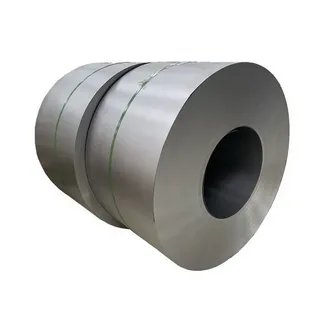
- Roofing sheets
- Bridges and frameworks
Automotive Industry
In automotive manufacturing, low carbon steel is used for:
- Car body panels
- Chassis components
- Frames and brackets
Its excellent formability allows complex shapes to be stamped with high precision.
Manufacturing and Machinery
Low carbon steel is commonly found in:
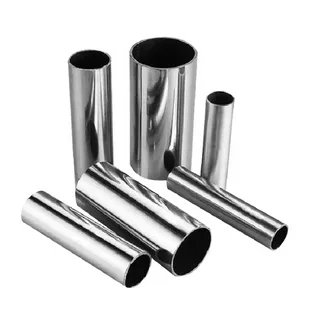
- Pipes and tubes
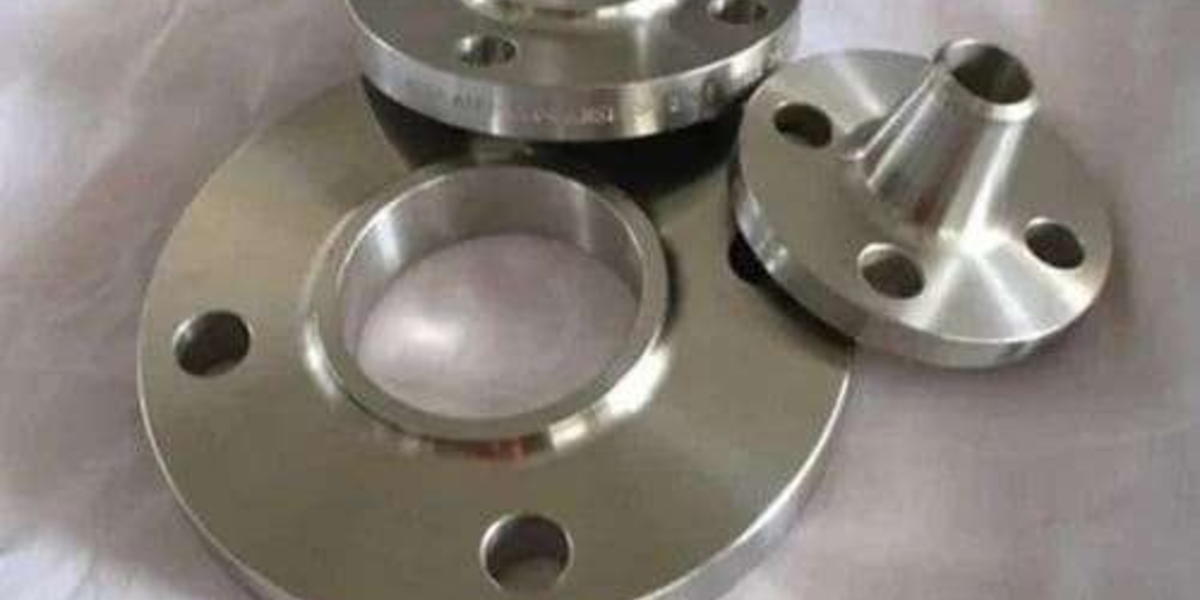
- Bolts, nuts, and fasteners
- Machine parts
- Storage tanks
Household and Consumer Products
Everyday products made from low carbon steel include:
- Appliances
- Furniture frames
- Utensils
- Packaging materials
Agricultural and Industrial Equipment
Its toughness and weldability make it ideal for:
- Farm tools
- Industrial enclosures
- Material handling equipment
Heat Treatment and Surface Modification
Enhancing Low Carbon Steel Performance
Although low carbon steel has limited hardness in its natural state, surface treatments can significantly improve its performance:
- Carburizing: Increases surface hardness while retaining a soft core
- Nitriding: Enhances wear resistance
- Galvanizing: Improves corrosion resistance
- Painting and coating: Extends service life in harsh environments
These treatments allow low carbon steel to be used in more demanding applications without sacrificing its inherent advantages.
Sustainability and Recycling of Low Carbon Steel
Environmental Benefits of Low Carbon Steel
Low carbon steel is highly recyclable and plays an important role in sustainable manufacturing. Steel can be recycled multiple times without losing its properties, reducing the need for raw material extraction and lowering carbon emissions.
The widespread recycling of low carbon steel supports circular economy practices and makes it an environmentally responsible material choice.
Future Outlook of Low Carbon Steel
Continued Relevance in Modern Engineering
Despite advancements in advanced alloys and composite materials, low carbon steel continues to evolve. Innovations in processing techniques, coatings, and hybrid material systems ensure that low carbon steel remains relevant in modern infrastructure, transportation, and manufacturing.
Its combination of affordability, performance, and adaptability ensures that low carbon steel will remain a foundational material for decades to come.
Conclusion
Low carbon steel is a cornerstone material that underpins countless industries worldwide. With its carefully balanced low carbon steel composition, controlled carbon percentage, favorable microstructure, and versatile properties, it delivers unmatched value across applications. From construction and automotive manufacturing to consumer products and industrial equipment, the application of low carbon steel is both extensive and essential.
Understanding its grades, advantages, and limitations allows engineers and manufacturers to make informed decisions and maximize performance. As industries move toward sustainable and cost-effective solutions, low carbon steel continues to stand out as a reliable, adaptable, and future-ready material.
Frequently Asked Questions (FAQs) on Low Carbon Steel
1. What is low carbon steel and how is it different from other steels?
Low carbon steel is a type of carbon steel that contains a low amount of carbon, typically between 0.05% and 0.25%. This low carbon steel carbon percentage makes it softer, more ductile, and easier to weld compared to medium and high carbon steels. Unlike higher carbon steels, low carbon steel offers excellent formability but lower hardness and strength unless surface-treated.
2. What is the typical low carbon steel composition?
The low carbon steel composition primarily includes iron and a small percentage of carbon. In addition, it contains minor elements such as manganese, silicon, sulfur, and phosphorus. These elements improve properties like toughness, machinability, and strength while maintaining the steel’s ductility and affordability.
3. What are the most important low carbon steel properties?
Key low carbon steel properties include high ductility, good toughness, moderate strength, excellent weldability, and easy machinability. These properties make low carbon steel ideal for applications that require forming, bending, rolling, or welding without cracking or failure.
4. What is the microstructure of low carbon steel?
The low carbon steel microstructure mainly consists of ferrite with small amounts of pearlite. Ferrite provides softness and ductility, while pearlite contributes limited strength. This microstructural combination explains why low carbon steel is easy to shape and resistant to sudden impact.
5. What are common low carbon steel grades used in industry?
Some widely used low carbon steel grades include AISI 1010, AISI 1020, ASTM A36, EN S235, EN S275, and IS 2062. Each grade is designed to meet specific strength and fabrication requirements, making them suitable for construction, manufacturing, and engineering applications.
6. What are the main applications of low carbon steel?
The application of low carbon steel spans multiple industries, including construction, automotive manufacturing, machinery, agriculture, and consumer goods. It is commonly used in structural beams, car body panels, pipes, fasteners, household appliances, and industrial equipment due to its versatility and cost-effectiveness.
7. Why is low carbon steel easy to weld and form?
Low carbon steel is easy to weld and form because of its low carbon steel carbon percentage and ferrite-rich microstructure. The low carbon content minimizes the risk of cracking during welding and allows the material to undergo extensive deformation without losing structural integrity.
8. Can low carbon steel be hardened?
Low carbon steel cannot be significantly hardened through conventional heat treatment due to its low carbon content. However, surface-hardening techniques such as carburizing and nitriding can improve wear resistance while maintaining a tough, ductile core.
9. How does low carbon steel perform in terms of corrosion resistance?
Low carbon steel has limited natural corrosion resistance. To improve durability, it is often galvanized, painted, or coated. These surface treatments protect the steel from rust and extend its service life, especially in outdoor or humid environments.
10. Is low carbon steel environmentally friendly?
Yes, low carbon steel is highly recyclable and supports sustainable manufacturing practices. It can be recycled multiple times without losing its core properties, reducing raw material consumption and energy use, which makes it an environmentally responsible material choice.