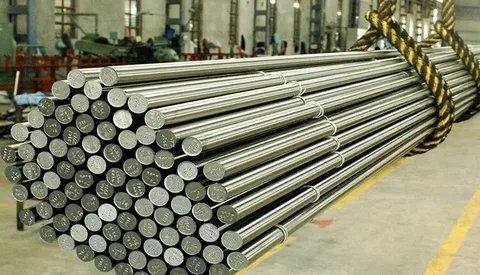
Aluminium is one of the most widely used metals in the modern world. From aircraft and automobiles to packaging, construction, and electronics, its popularity comes from a unique combination of properties—light weight, strength, corrosion resistance, and recyclability. At the heart of these advantages lies one critical physical property: the density of aluminum.
Understanding the density of aluminium is essential for engineers, designers, manufacturers, and students alike. It affects material selection, structural design, transportation efficiency, and overall product performance. In this detailed guide, we will explore what density really means, how it is calculated, standard density values in different units, aluminium alloy density variations, and the industrial importance and uses of aluminium based on its density.
What Is Density? Understanding the Basics
Density is defined as the mass of a material per unit volume. In simple terms, it tells us how much “stuff” is packed into a given space. Materials with lower density are lighter for the same volume, while higher-density materials are heavier.
The mathematical formula for density is:
Density = Mass ÷ Volume
This formula is universally used across physics, chemistry, and engineering to compare materials and determine their suitability for specific applications.
What Is the Density of Aluminum?
Standard Density of Aluminum Explained
One of the most frequently asked questions in materials science is: what is the density of aluminum?
The standard density of pure aluminium at room temperature (around 20°C) is:
- 2.70 g/cm³
- 2700 kg/m³
- 2.7 × 10⁻⁶ kg/mm³
This low density is the primary reason aluminium is considered a lightweight metal, especially when compared to steel, which has a density of approximately 7850 kg/m³.
Density of Aluminum kg m3: Standard Value and Meaning
Density of Aluminum kg m3 in Engineering Applications
In most engineering and industrial calculations, density is expressed in kilograms per cubic meter. The density of aluminum kg m3 is:
2700 kg/m³
This value is critical in structural design, load calculations, and transportation planning. Engineers use it to estimate weight, stress, and performance when aluminium components are used in buildings, vehicles, or machinery.
Density of Aluminium in kg mm3: Precision for Manufacturing
Why Density of Aluminium in kg mm3 Matters
In precision manufacturing and micro-engineering, very small dimensions are common. In such cases, density is often expressed in kilograms per cubic millimeter.
The density of aluminium in kg mm3 is:
2.7 × 10⁻⁶ kg/mm³
This unit is especially useful in CNC machining, aerospace component design, and microfabrication, where even minor weight differences can significantly affect performance and accuracy.
Specific Weight of Aluminium: Density vs Weight
Understanding the Specific Weight of Aluminium
While density refers to mass per unit volume, specific weight refers to weight per unit volume. Weight accounts for gravity, making specific weight slightly different from density.
The specific weight of aluminium is approximately:
26.5 kN/m³
Specific weight is commonly used in civil engineering, structural analysis, and construction projects, where gravitational forces play a crucial role in safety and stability calculations.
Aluminium Alloy Density: Why It Varies
What Is Aluminium Alloy Density?
Pure aluminium is rarely used alone in demanding applications. Instead, it is combined with elements like copper, magnesium, silicon, and zinc to create alloys with improved strength, hardness, and corrosion resistance.
Aluminium alloy density typically ranges between:
- 2.6 g/cm³ to 2.9 g/cm³
- 2600 kg/m³ to 2900 kg/m³
The exact density depends on the alloying elements and their proportions.
Common Aluminium Alloy Density Values
- 6061 Aluminium Alloy Density: ~2700 kg/m³
- 7075 Aluminium Alloy Density: ~2810 kg/m³
- 5052 Aluminium Alloy Density: ~2680 kg/m³
Even though alloys may be slightly denser than pure aluminium, they remain significantly lighter than steel or copper, making them ideal for high-performance applications.
How to Calculate the Density of Aluminum
Step-by-Step Density of Aluminum Calculation
To calculate the density of aluminum, you need two values: mass and volume.
Formula:
Density = Mass ÷ Volume
Example Calculation:
- Mass of aluminium block = 5.4 kg
- Volume of aluminium block = 0.002 m³
Density = 5.4 ÷ 0.002 = 2700 kg/m³
This confirms the standard density of aluminum.
Practical Methods to Measure Density
- Water displacement method (for irregular shapes)
- Geometric volume calculation (for regular shapes)
- Laboratory density testing equipment
Why the Density of Aluminum Is So Important
Lightweight Advantage Over Other Metals
The density of aluminum is roughly one-third that of steel. This means aluminium components weigh significantly less while still providing sufficient strength for many applications.
Cost and Energy Efficiency
Lower density leads to lighter products, which reduces fuel consumption in transportation and lowers energy costs during handling and installation.
Design Flexibility
Because aluminium is lightweight, designers can create larger or more complex structures without adding excessive weight.
Industrial Importance and Uses Based on the Density of Aluminium
Aerospace Industry
The aerospace sector heavily relies on the low density of aluminum. Aircraft frames, wings, and fuselage components are often made from aluminium alloys to reduce weight while maintaining strength.
Lower weight directly translates to:
- Improved fuel efficiency
- Higher payload capacity
- Better flight performance
Automotive Industry
In automobiles, reducing weight improves fuel economy and lowers emissions. Aluminium is used in:
- Engine blocks
- Wheels
- Body panels
- Suspension components
The favorable aluminium alloy density allows manufacturers to meet strict environmental and performance standards.
Construction and Architecture
In construction, the specific weight of aluminium makes it ideal for:
- Window frames
- Curtain walls
- Roofing systems
- Structural panels
Lightweight aluminium reduces structural load and simplifies installation without compromising durability.
Electrical and Electronics Industry
Aluminium’s low density combined with good electrical conductivity makes it suitable for:
- Power transmission lines
- Heat sinks
- Electronic enclosures
Overhead power cables use aluminium instead of copper because it provides adequate conductivity at a much lower weight.
Packaging Industry
Aluminium foil and cans are widely used in food and beverage packaging. The low density of aluminum:
- Reduces transportation costs
- Improves recyclability
- Enhances sustainability
Marine and Shipbuilding Industry
Aluminium alloys are used in ships, boats, and offshore structures due to their low density and corrosion resistance, improving speed and fuel efficiency.
Comparing Density of Aluminum with Other Metals
Density Comparison Table (Approximate Values)
- Aluminium: 2700 kg/m³
- Steel: 7850 kg/m³
- Copper: 8960 kg/m³
- Titanium: 4500 kg/m³
This comparison highlights why aluminium is preferred when weight reduction is critical.
Density of Aluminum and Sustainability
Aluminium is 100% recyclable without losing its properties. Recycling aluminium requires only about 5% of the energy needed to produce primary aluminium. Because the density of aluminum remains unchanged through recycling, manufacturers can reuse it repeatedly while maintaining consistent performance.
Key Takeaways on the Density of Aluminium
- The density of aluminum is approximately 2700 kg/m³.
- Density of aluminium in kg mm3 is 2.7 × 10⁻⁶ kg/mm³, useful for precision engineering.
- Specific weight of aluminium is about 26.5 kN/m³.
- Aluminium alloy density varies depending on alloy composition but remains low compared to other metals.
- The low density of aluminum is the foundation of its widespread industrial use.
Conclusion
The density of aluminium is one of its most defining and valuable properties. Whether you are calculating loads in construction, designing lightweight vehicles, or selecting materials for aerospace applications, understanding aluminium’s density is essential. Its low density, combined with strength, corrosion resistance, and recyclability, makes aluminium a cornerstone of modern engineering and sustainable manufacturing.
As industries continue to prioritize efficiency, performance, and environmental responsibility, aluminium—and its remarkable density characteristics—will remain at the forefront of material innovation.
Frequently Asked Questions (FAQs) on the Density of Aluminium
1. What is the density of aluminum?
The density of aluminum is the mass of aluminium per unit volume. At room temperature (around 20°C), the standard value is 2.70 g/cm³, which is equivalent to 2700 kg/m³. This low density makes aluminium a lightweight metal compared to steel and copper, contributing to its widespread use in aerospace, automotive, and construction industries.
2. What is the density of aluminum in kg/m³?
The density of aluminum kg m3 is 2700 kilograms per cubic meter. This unit is most commonly used in engineering, construction, and industrial calculations to determine structural loads, material weight, and performance under stress.
3. What is the density of aluminium in kg/mm³?
The density of aluminium in kg mm3 is approximately 2.7 × 10⁻⁶ kg/mm³. This unit is especially useful in precision engineering, CNC machining, and aerospace manufacturing, where components are measured in millimeters and even microns.
4. How does aluminium alloy density differ from pure aluminium?
Aluminium alloy density varies depending on the alloying elements used, such as magnesium, copper, silicon, or zinc. While pure aluminium has a density of 2700 kg/m³, aluminium alloys typically range between 2600 kg/m³ and 2900 kg/m³. Despite this variation, aluminium alloys remain significantly lighter than most structural metals.
5. Why is the density of aluminum considered low compared to other metals?
The density of aluminum is considered low because it is nearly one-third the density of steel and much lighter than copper or brass. This low density results from aluminium’s atomic structure and relatively low atomic mass, making it ideal for lightweight, high-strength applications.
6. What is the specific weight of aluminium?
The specific weight of aluminium is the weight per unit volume, taking gravity into account. It is approximately 26.5 kN/m³. This value is commonly used in civil engineering and structural design where gravitational forces are critical for safety and stability.
7. How do you calculate the density of aluminum?
To calculate the density of aluminum, divide the mass of the aluminium object by its volume using the formula:
Density = Mass ÷ Volume
For example, if an aluminium block weighs 5.4 kg and has a volume of 0.002 m³, its density is:
5.4 ÷ 0.002 = 2700 kg/m³, which matches the standard density of aluminum.
8. Why is the density of aluminum important in industrial applications?
The density of aluminum directly affects weight, fuel efficiency, material cost, and structural performance. Industries such as aerospace and automotive rely on aluminium’s low density to reduce overall system weight, improve energy efficiency, and enhance performance without sacrificing strength.
9. Does temperature affect the density of aluminium?
Yes, temperature can slightly affect the density of aluminium. As temperature increases, aluminium expands, causing its density to decrease marginally. However, for most industrial and engineering applications, the standard density of aluminum at room temperature is accurate enough for reliable calculations.
10. Why is aluminium preferred over steel despite having lower density?
Aluminium is preferred over steel in many applications because its low density results in lighter structures, improved fuel efficiency, and easier handling. When combined with high-strength alloys, aluminium can offer excellent strength-to-weight ratios, corrosion resistance, and recyclability, making it superior in many modern engineering applications.