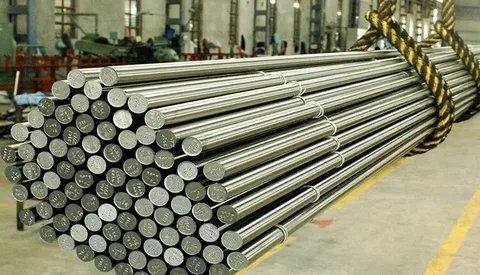
Stainless steel plays a critical role across industries due to its strength, corrosion resistance, and durability. Among its many grades, Stainless Steel 316 stands out for its superior performance in harsh environments. One of the most important physical properties engineers and manufacturers evaluate is stainless steel density, as it directly influences structural integrity, weight calculations, and material selection.
In this comprehensive guide, we will explore the density of stainless steel 316, its chemical makeup, weight characteristics, and real-world engineering applications. Whether you’re an engineer, fabricator, or industry professional, this article will help you understand why SS 316 is such a valuable material.
Understanding Stainless Steel Density
What Is Stainless Steel Density?
Stainless steel density refers to the mass per unit volume of stainless steel, typically expressed in grams per cubic centimeter (g/cm³) or kilograms per cubic meter (kg/m³). Density is a fundamental mechanical property that helps determine:
- Structural load capacity
- Weight of components
- Transportation and installation costs
- Suitability for specific engineering applications
Different stainless steel grades have slightly different densities due to variations in alloy composition.
Why Density Matters in Engineering
Engineers rely on ss density to calculate stress, load-bearing capacity, and material efficiency. In applications such as pressure vessels, pipelines, marine structures, and aerospace components, precise density calculations are essential for safety and performance.
Density of Stainless Steel 316 Explained
Density of Stainless Steel 316 in Standard Units
The density of stainless steel 316 is approximately:
- 7.98 g/cm³
- 7,980 kg/m³
- 0.289 lb/in³
This density is very similar to other austenitic stainless steels but slightly higher due to the presence of molybdenum and nickel.
Density of SS316 Compared to Other Grades
| Stainless Steel Grade | Density (g/cm³) |
| SS 304 | 7.93 |
| SS 316 | 7.98 |
| SS 410 | 7.75 |
| SS 430 | 7.70 |
The density of SS316 is marginally higher than SS 304, which contributes to improved strength and corrosion resistance in demanding environments.
SS 316 Chemical Composition and Its Effect on Density
SS 316 Chemical Composition Breakdown
The ss 316 chemical composition includes a balanced combination of elements that enhance corrosion resistance and mechanical performance:
| Element | Percentage (%) |
| Iron (Fe) | Balance |
| Chromium (Cr) | 16–18 |
| Nickel (Ni) | 10–14 |
| Molybdenum (Mo) | 2–3 |
| Carbon (C) | ≤ 0.08 |
| Manganese (Mn) | ≤ 2.0 |
| Silicon (Si) | ≤ 1.0 |
| Phosphorus (P) | ≤ 0.045 |
| Sulfur (S) | ≤ 0.03 |
How Composition Influences Stainless Steel Density
The addition of molybdenum and nickel in the 316 stainless steel composition increases atomic mass, which directly affects stainless steel density. These alloying elements not only raise density slightly but also enhance resistance to chlorides, acids, and high temperatures.
SS316 Material Properties Beyond Density
Mechanical Properties of SS316 Material
In addition to its density, ss316 material offers excellent mechanical characteristics:
- Tensile strength: ~515 MPa
- Yield strength: ~205 MPa
- Elongation: ~40%
- Hardness: ~217 HB
These properties make SS 316 suitable for high-stress environments while maintaining ductility.
Thermal and Corrosion Resistance
The density of stainless steel 316 complements its thermal stability and corrosion resistance. SS 316 performs exceptionally well in:
- Marine environments
- Chemical processing plants
- High-temperature applications
- Acidic and chloride-rich conditions
Weight Calculations Using SS Density
How to Calculate Weight Using Density of SS316
Weight calculation is straightforward when ss density is known:
Weight = Density × Volume
For example, a stainless steel 316 plate with a volume of 0.05 m³:
7,980 kg/m³ × 0.05 m³ = 399 kg
Accurate knowledge of the density of stainless steel 316 ensures precise material estimation and cost control.
Importance of Accurate Density in Fabrication
In fabrication and machining, incorrect density assumptions can result in:
- Structural imbalance
- Increased costs
- Safety risks
- Improper material performance
That’s why engineers consistently rely on standardized stainless steel density values.
Engineering and Industrial Uses of Stainless Steel 316
Applications Based on Density and Strength
The optimal density of ss316 allows it to perform reliably in heavy-duty applications, including:
- Pressure vessels and heat exchangers
- Offshore oil and gas platforms
- Chemical reactors and storage tanks
- Marine hardware and ship fittings
SS 316 in Marine and Coastal Engineering
Thanks to its molybdenum-enhanced 316 stainless steel composition, SS 316 resists pitting and crevice corrosion in saltwater. Its density contributes to structural stability in marine environments exposed to constant stress and corrosion.
Medical and Pharmaceutical Uses
The consistent stainless steel density and biocompatibility of SS 316 make it ideal for:
- Surgical instruments
- Medical implants
- Pharmaceutical processing equipment
The predictable density ensures precision manufacturing and reliability in critical applications.
Density of Stainless Steel 316 in Comparison to Other Materials
SS316 vs Carbon Steel Density
Carbon steel typically has a density of around 7.85 g/cm³, slightly lower than the density of stainless steel 316. While carbon steel may be cheaper, SS 316 offers far superior corrosion resistance and longevity.
SS316 vs Aluminum
Aluminum has a density of approximately 2.7 g/cm³, making it much lighter than SS 316. However, aluminum lacks the strength, temperature resistance, and chemical stability provided by ss316 material.
Factors Affecting Density of SS316 in Real-World Use
Manufacturing Process
Hot rolling, cold working, and forging can slightly influence microstructure but do not significantly alter the density of stainless steel 316.
Temperature and Pressure Effects
Under extreme temperatures or pressures, volume expansion may occur, but standard engineering calculations assume constant ss density for reliability and safety.
Why Engineers Prefer Stainless Steel 316
Balance of Density, Strength, and Durability
The appeal of SS 316 lies in its perfect balance of:
- High stainless steel density
- Excellent corrosion resistance
- Mechanical strength
- Long service life
Cost vs Performance Advantage
While SS 316 may have a higher initial cost, its durability and low maintenance requirements provide long-term economic benefits.
Conclusion: Why Density of Stainless Steel 316 Matters
The density of stainless steel 316 is more than just a number—it’s a key factor influencing engineering design, material selection, and performance across industries. With a density of approximately 7.98 g/cm³, combined with a robust ss 316 chemical composition, SS 316 delivers unmatched reliability in corrosive and high-stress environments.
From marine engineering and chemical processing to medical devices and industrial fabrication, ss316 material continues to be a top choice for engineers worldwide. Understanding stainless steel density, weight calculations, and composition empowers professionals to make informed, efficient, and safe design decisions.
Frequently Asked Questions (FAQs) on Density of Stainless Steel 316
1. What is the stainless steel density of SS 316?
The stainless steel density of SS 316 is approximately 7.98 g/cm³ (7,980 kg/m³). This density makes SS 316 slightly heavier than SS 304 due to its higher nickel and molybdenum content. The consistent density of stainless steel 316 ensures accurate weight calculations and reliable performance in structural and industrial applications.
2. How does the density of stainless steel 316 compare to other stainless steel grades?
The density of SS316 is marginally higher than many common stainless steel grades. For example, SS 304 has a density of around 7.93 g/cm³, while ferritic grades like SS 430 have lower values. The increased ss density of SS 316 comes from its enhanced alloy composition, which improves corrosion resistance and mechanical strength.
3. Why is stainless steel density important in engineering applications?
Stainless steel density plays a crucial role in determining component weight, load-bearing capacity, and structural safety. Engineers rely on the density of stainless steel 316 to design pressure vessels, pipelines, marine structures, and industrial equipment where precise weight and strength calculations are essential.
4. Does the SS 316 chemical composition affect its density?
Yes, the ss 316 chemical composition directly influences its density. Elements such as nickel (10–14%) and molybdenum (2–3%) increase atomic mass, resulting in a slightly higher density of stainless steel 316 compared to other grades. This composition also enhances corrosion resistance in aggressive environments.
5. What is the density of SS316 in kg/m³ and lb/in³?
The density of SS316 is commonly expressed as:
- 7,980 kg/m³
- 0.289 lb/in³
These standardized units help engineers and fabricators accurately calculate material weight using ss density for both metric and imperial systems.
6. How do you calculate weight using the density of stainless steel 316?
Weight calculation using the density of stainless steel 316 follows this formula:
Weight = Density × Volume
For example, if a component has a volume of 0.1 m³, its weight would be:
7,980 kg/m³ × 0.1 m³ = 798 kg
Accurate stainless steel density values are essential for cost estimation and safe design.
7. Is SS316 material heavier than carbon steel?
Yes, ss316 material is slightly heavier than carbon steel. Carbon steel typically has a density of around 7.85 g/cm³, while the density of stainless steel 316 is approximately 7.98 g/cm³. However, SS 316 offers superior corrosion resistance and durability, making the extra weight worthwhile in demanding environments.
8. Does temperature affect the density of stainless steel 316?
Temperature changes can cause minor thermal expansion, but under normal operating conditions, the stainless steel density of SS 316 remains effectively constant. Engineers account for these variations during high-temperature design, but standard calculations assume a stable density of SS316.
9. What industries rely most on the density of SS316?
Industries that heavily depend on the density of SS316 include:
- Marine and offshore engineering
- Chemical and petrochemical processing
- Pharmaceutical manufacturing
- Food processing
- Medical equipment production
The predictable ss density ensures precision, safety, and long-term performance.
10. Why is stainless steel 316 preferred over lighter materials like aluminum?
Although aluminum has a much lower density, ss316 material provides superior strength, corrosion resistance, and temperature tolerance. The density of stainless steel 316 contributes to structural stability, making it ideal for heavy-duty and high-risk applications where lighter materials may fail.