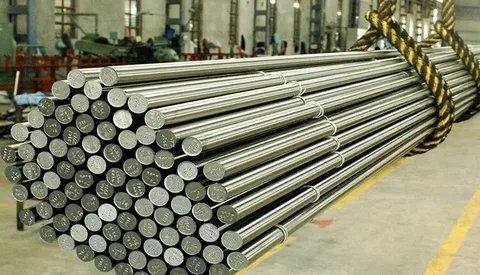
Steel is one of the most important materials in modern civilization. From towering skyscrapers and bridges to automobiles, appliances, and medical instruments, steel forms the backbone of industrial development. But have you ever wondered what is steel, what is steel made up of, or how raw materials are transformed into this strong and versatile alloy?
In this comprehensive guide, we will explore the components of steel, examine steel raw material, and break down the step-by-step steel manufacturing process. We will also explain what is the composition of steel and take a closer look at how stainless steel is made.
What Is Steel? Understanding the Basics
What Is Steel and Why Is It Important?
Steel is an alloy primarily made from iron and carbon, with small amounts of other elements added to enhance specific properties. When people ask what is steel, the simplest answer is that it is a refined and controlled form of iron designed for strength, durability, and versatility.
Steel is preferred over pure iron because it is:
- Stronger and harder
- More durable
- Easier to shape and weld
- Resistant to wear and deformation
These qualities make steel essential in construction, manufacturing, transportation, and countless everyday products.
Components of Steel Explained in Detail
Components of Steel: The Core Elements
The components of steel define its performance and applications. While iron forms the base, additional elements are introduced to tailor its properties.
The primary components of steel include:
- Iron (Fe) – The base metal
- Carbon (C) – Adds strength and hardness
- Manganese (Mn) – Improves toughness
- Silicon (Si) – Enhances strength and elasticity
- Sulfur (S) & Phosphorus (P) – Controlled impurities
- Alloying elements – Chromium, nickel, molybdenum, etc.
Together, these elements determine what steel consists of and how it behaves under stress, heat, and corrosion.
What Is Steel Made Up Of? Steel Ingredients Breakdown
What Is Steel Made Up Of at the Atomic Level?
To understand what is steel made up of, it helps to look at its composition scientifically. Steel is an alloy where carbon atoms fit into the iron crystal lattice, altering its mechanical properties.
Steel Ingredients and Their Functions
The key steel ingredients include:
- Iron: Provides structure and magnetic properties
- Carbon: Increases hardness and tensile strength
- Chromium: Improves corrosion resistance
- Nickel: Enhances toughness and ductility
- Molybdenum: Improves heat resistance
- Vanadium: Increases strength and wear resistance
- These steel ingredients are carefully controlled during production to achieve desired characteristics.
Steel Raw Material: Where Steel Begins
Steel Raw Material Used in Manufacturing
The journey of steel starts with its steel raw material, which includes:
- Iron ore – The primary source of iron
- Coking coal – Used to produce coke
- Limestone – Acts as a flux
- Scrap steel – Recycled steel products
Understanding steel raw material is essential to grasp how steel production works on a large scale.
Step-by-Step Steel Manufacturing Process Explained
Step 1: Iron Ore Extraction and Preparation
Iron ore is mined from the earth and processed to remove impurities. This ore is the foundation of what steel is made up of in traditional steelmaking.
Step 2: Coke Production from Coal
Coal is heated in the absence of oxygen to produce coke. Coke acts as both a fuel and a reducing agent in the blast furnace.
Step 3: Blast Furnace – Making Molten Iron
In the blast furnace:
- Iron ore, coke, and limestone are layered
- Hot air is blown into the furnace
- Chemical reactions remove oxygen from iron ore
The result is molten pig iron, an intermediate material rich in carbon.
Step 4: Converting Pig Iron into Steel
Pig iron contains too much carbon to be steel. To adjust what steel consists of, excess carbon and impurities are removed using one of the following methods:
- Basic Oxygen Furnace (BOF)
- Electric Arc Furnace (EAF)
This stage defines the final components of steel.
What Is the Composition of Steel?
What Is the Composition of Steel in Percentage Terms?
The composition of steel typically includes:
- Iron: ~98–99%
- Carbon: 0.02%–2.1%
- Alloying elements: Small controlled amounts
The exact composition of steel varies depending on its grade and intended use.
How Composition Affects Steel Properties
- Low carbon steel → Soft, ductile, weldable
- Medium carbon steel → Balanced strength and toughness
- High carbon steel → Very hard but less ductile
Thus, the composition of steel determines its mechanical behavior.
How Is Stainless Steel Made?
How Is Stainless Steel Made Differently?
A common question is how is stainless steel made compared to carbon steel. The key difference lies in the addition of chromium.
Stainless steel must contain at least 10.5% chromium, which forms a passive oxide layer that resists corrosion.
Stainless Steel Made Of Which Elements?
Stainless steel made of:
- Iron
- Chromium
- Nickel (in many grades)
- Carbon (low percentage)
- Molybdenum (in corrosion-resistant grades)
This unique combination explains why stainless steel made of these elements performs exceptionally in harsh environments.
Stainless Steel Manufacturing Process Step-by-Step
Step 1: Melting Steel Ingredients
Steel ingredients are melted in an electric arc furnace.
Step 2: Adding Chromium and Alloying Elements
Precise amounts of chromium and other elements are added to control what is the composition of steel.
Step 3: Refining and Decarburization
Processes like Argon Oxygen Decarburization (AOD) remove excess carbon while preserving chromium.
Step 4: Casting and Forming
Molten stainless steel is cast into slabs, billets, or blooms, then rolled into final shapes.
What Steel Consists Of Across Different Grades
What Steel Consists Of in Carbon Steel
- Iron
- Carbon
- Manganese
What Steel Consists Of in Alloy Steel
- Iron
- Carbon
- Chromium, nickel, molybdenum
What Steel Consists Of in Stainless Steel
- Iron
- Chromium
- Nickel
- Carbon
Each category alters what steel consists of to meet specific performance needs.
Final Processing: Shaping, Heat Treatment, and Finishing
Rolling and Forming Steel
Steel is rolled hot or cold into sheets, plates, bars, and structural sections.
Heat Treatment
Heat treatments modify internal structure, enhancing strength or ductility.
Surface Finishing
Processes like galvanizing, polishing, and coating improve appearance and corrosion resistance.
Why Understanding the Components of Steel Matters
Knowing the components of steel helps engineers, manufacturers, and consumers choose the right material for the job. Whether it’s selecting stainless steel for corrosion resistance or carbon steel for structural strength, composition plays a vital role.
Conclusion: From Raw Materials to Modern Marvel
Steel is far more than just metal—it is a carefully engineered material built from precise steel ingredients and refined through complex processes. By understanding what is steel, what is steel made up of, steel raw material, and how stainless steel is made, we gain a deeper appreciation for this essential material.
From iron ore deep in the earth to high-performance alloys shaping our modern world, the steel manufacturing process is a remarkable blend of science, engineering, and innovation.
FAQs
1. What are the main components of steel?
The components of steel primarily include iron and carbon, along with small amounts of other elements such as manganese, silicon, sulfur, and phosphorus. Alloying elements like chromium, nickel, and molybdenum may also be added to enhance corrosion resistance, strength, or heat tolerance. Together, these elements define what steel consists of and determine its mechanical and chemical properties.
2. What is steel made up of in simple terms?
In simple terms, what is steel made up of is iron combined with a controlled amount of carbon. The addition of carbon significantly improves strength and hardness compared to pure iron. Depending on the application, other steel ingredients such as chromium or nickel may be added to modify performance.
3. What is steel and how is it different from iron?
What is steel can be defined as an iron-based alloy that contains carbon and other elements to improve strength, durability, and usability. Unlike pure iron, steel is harder, more flexible, and better suited for construction and manufacturing. The difference lies in what steel consists of, especially the presence of carbon and alloying elements.
4. What steel raw material is used in steel manufacturing?
The primary steel raw material includes iron ore, coking coal, limestone, and recycled scrap steel. Iron ore provides the base metal, coal is converted into coke for fuel, limestone removes impurities, and scrap steel helps improve efficiency and sustainability in the steelmaking process.
5. What is the composition of steel in percentage terms?
What is the composition of steel typically includes about 98–99% iron, 0.02–2.1% carbon, and small percentages of other elements. The exact composition varies by grade and application. Changes in the composition of steel directly affect strength, ductility, corrosion resistance, and weldability.
6. What steel consists of in different types of steel?
What steel consists of depends on the type:
- Carbon steel: iron and carbon
- Alloy steel: iron, carbon, and alloying elements
- Stainless steel: iron, chromium, carbon, and often nickel
Each type adjusts its steel ingredients to meet specific industrial needs.
7. How is stainless steel made?
How is stainless steel made involves melting iron with chromium (minimum 10.5%) and other alloying elements. The steel is refined to remove excess carbon and impurities, then cast and shaped. The chromium content allows stainless steel to form a protective oxide layer, giving it excellent corrosion resistance.
8. What is stainless steel made of?
Stainless steel made of iron, chromium, carbon, and often nickel and molybdenum. Chromium is the most important element, as it provides rust and corrosion resistance. The exact composition depends on the stainless steel grade and its intended application.
9. Why are steel ingredients important in steel production?
Steel ingredients are crucial because they determine how the steel performs in real-world conditions. Small changes in carbon or alloying elements can significantly affect hardness, strength, corrosion resistance, and durability. Understanding the components of steel ensures the right material is selected for each use.
10. Why is understanding what steel is made up of important?
Understanding what steel is made up of helps engineers, manufacturers, and consumers choose the right steel for construction, machinery, or consumer products. Knowledge of steel raw material, steel ingredients, and composition of steel ensures better performance, safety, and cost efficiency in steel applications.