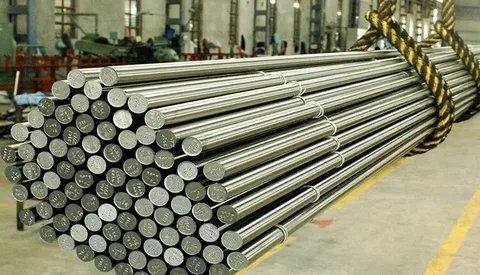
When failure is not an option, engineers don’t guess — they specify SS 316.
From aggressive chemical plants to salty ocean air, from sterile pharma lines to food processing systems, SS 316 applications dominate environments where corrosion, contamination, and temperature extremes destroy ordinary metals. But what exactly makes this alloy so trusted? And where does it truly outperform alternatives?
Let’s break down the real-world performance, not just the textbook theory.
What Makes SS 316 So Powerful in Industrial Use?
At the core of major SS 316 applications lies one game-changing element: molybdenum. This addition transforms standard stainless steel into a corrosion-fighting workhorse.
Key Properties Behind Major SS 316 Applications
- Superior 316 stainless steel corrosion resistance
- Excellent heat resistance of SS 316
- Strong resistance to chlorides and harsh chemicals
- Non-reactive and hygienic surface
- Long service life in extreme environments
Punchline: If SS 304 is good, SS 316 is what you choose when conditions turn hostile.
316 Stainless Steel Corrosion Resistance – The Foundation of Its Success
Why is SS 316 used where other metals fail?
Because 316 stainless steel corrosion resistance is built for battle. The molybdenum content protects against:
- Pitting corrosion
- Crevice corrosion
- Chloride attack
- Chemical degradation
This is why you’ll find SS 316 applications in:
- Saltwater environments
- Acidic processing units
- Industrial chemical pipelines
- Coastal infrastructure
Rhetorical question: Would you trust carbon steel in seawater? Exactly.
Marine Applications of SS 316 – Built for Saltwater Survival
Salt is brutal. It destroys coatings, eats metals, and causes premature failure. That’s where marine applications of SS 316 take over.
Why SS 316 Dominates Marine Environments
- Outstanding resistance to salt spray and seawater
- Minimal rust staining
- Strong structural integrity in humid climates
- Long-term performance with low maintenance
Common Marine SS 316 Applications
- Boat fittings and hardware
- Shipbuilding components
- Offshore platform structures
- Coastal railing systems
- Marine fasteners and piping
In marine applications of SS 316, durability isn’t a luxury — it’s a safety requirement.
316 Stainless Steel for Coastal Areas – Fighting the Hidden Enemy
Coastal environments are deceptive. Even without direct seawater contact, airborne chlorides attack metals silently.
That’s why 316 stainless steel for coastal areas is the industry standard.
Where It’s Used
- Coastal construction frameworks
- Architectural structures near beaches
- Outdoor industrial equipment
- HVAC systems in coastal cities
Choosing SS 304 in these regions often leads to tea-staining and corrosion. SS 316 applications prevent those costly replacements.
Experience-based truth: Coastal corrosion doesn’t knock — it sneaks in.
SS 316 in Chemical Industry – Resistance Where Reactions Happen
The SS 316 in chemical industry usage is massive, and for good reason. Chemical processing exposes materials to:
- Acids
- Solvents
- Reactive compounds
- High temperatures
Why SS 316 Is Ideal
- Excellent resistance to sulfuric, phosphoric, and acetic acids
- Low contamination risk
- High durability under pressure
- Resistance to stress corrosion cracking
Typical SS 316 Applications in Chemical Plants
- Storage tanks
- Heat exchangers
- Valves and pumps
- Reactor vessels
- Chemical transfer pipelines
In the SS 316 in chemical industry sector, downtime from corrosion is not just costly — it’s dangerous.
Food Grade Stainless Steel 316 – Safety You Can Taste
Food processing requires materials that are non-toxic, easy to clean, and corrosion-resistant. That’s why food grade stainless steel 316 is widely specified.
Why It’s Approved for Food Environments
- Non-reactive surface
- Excellent hygiene properties
- Smooth finish reduces bacterial growth
- Resistance to cleaning chemicals
Common Food Industry SS 316 Applications
- Food processing equipment
- Dairy pipelines
- Brewery tanks
- Commercial kitchen systems
When dealing with acids from food products, cleaning agents, and high moisture, food grade stainless steel 316 maintains both integrity and safety.
SS 316 for Pharmaceutical Industry – Purity Above All
The SS 316 for pharmaceutical industry demand is driven by sterility requirements. Contamination risks must be nearly zero.
Why Pharma Chooses SS 316
- Highly resistant to corrosion from cleaning agents
- Compatible with sterilization processes
- Non-leaching surface
- Maintains purity in production lines
Pharma SS 316 Applications Include
- Bioreactors
- Sterile storage tanks
- Piping systems
- Cleanroom equipment
In SS 316 for pharmaceutical industry, the material itself becomes part of the quality control system.
Heat Resistance of SS 316 – Strength Under Thermal Stress
High temperatures can weaken metals, but the heat resistance of SS 316 allows it to perform in thermal extremes.
Temperature Capabilities
- Good oxidation resistance at elevated temperatures
- Maintains strength under heat stress
- Suitable for heat exchangers and boilers
Heat-Based SS 316 Applications
- Furnace components
- Exhaust systems
- Thermal processing equipment
- Power plant piping
The heat resistance of SS 316 ensures reliability when heat and pressure combine — a dangerous duo for weaker materials.
Molybdenum Stainless Steel Uses – The Secret Weapon
Let’s talk about the hero behind the scenes: molybdenum.
The molybdenum stainless steel uses extend far beyond corrosion resistance.
What Molybdenum Adds
- Enhanced pitting resistance
- Better performance in chloride environments
- Improved high-temperature strength
- Increased durability in harsh chemicals
Because of these molybdenum stainless steel uses, SS 316 outperforms standard grades in industries where metal failure can shut down operations.
Why Engineers Consistently Choose SS 316 Applications
Across industries, decision-makers prioritize:
- Long lifecycle performance
- Reduced maintenance costs
- Reliability under stress
- Safety compliance
That’s why SS 316 applications are found in mission-critical systems worldwide.
Hard truth: The cost of failure is always higher than the cost of quality material.
Final Thoughts: SS 316 Is Not Just Steel — It’s Insurance
From marine applications of SS 316 to SS 316 in chemical industry, from food grade stainless steel 316 systems to SS 316 for pharmaceutical industry environments, this alloy proves its worth every day.
Its superior 316 stainless steel corrosion resistance, unmatched heat resistance of SS 316, and the power of molybdenum stainless steel uses make it the preferred material in aggressive, regulated, and high-risk industries.
Bottom line: When environments turn corrosive, temperatures rise, and safety standards tighten — SS 316 applications don’t just perform. They endure.
1. What are the main SS 316 applications in industry?
SS 316 applications are widespread in industries where corrosion, heat, and hygiene are major concerns. This stainless steel grade is commonly used in marine environments, chemical processing plants, food manufacturing equipment, pharmaceutical systems, and coastal infrastructure. Thanks to its molybdenum content, SS 316 offers superior resistance to chlorides and aggressive chemicals, making it ideal for high-risk, high-performance environments.
2. Why is 316 stainless steel corrosion resistance better than other grades?
The superior 316 stainless steel corrosion resistance comes from the addition of molybdenum, which improves resistance to pitting, crevice corrosion, and chloride attack. Compared to SS 304, SS 316 performs significantly better in saltwater, chemical exposure, and humid coastal air, which is why it’s heavily used in marine, chemical, and coastal SS 316 applications.
3. What are the most common marine applications of SS 316?
Marine applications of SS 316 include boat fittings, ship components, offshore platform structures, marine fasteners, and seawater piping systems. SS 316 is preferred in these environments because it resists saltwater corrosion, reduces rust staining, and maintains strength even under constant exposure to moisture and chlorides.
4. How is SS 316 used in the chemical industry?
SS 316 in chemical industry settings is used for storage tanks, heat exchangers, valves, pumps, reactor vessels, and pipelines. It withstands exposure to acids, solvents, and aggressive chemicals while minimizing contamination and material degradation. Its corrosion resistance and structural reliability make it a safe and long-lasting material choice in chemical processing plants.
5. Is SS 316 considered food grade stainless steel?
Yes, food grade stainless steel 316 is widely used in food and beverage processing. It has a non-reactive, easy-to-clean surface that prevents contamination and resists corrosion from food acids and cleaning chemicals. You’ll find SS 316 in dairy equipment, brewery tanks, food processing lines, and commercial kitchen systems.
6. Why is SS 316 preferred for the pharmaceutical industry?
SS 316 for pharmaceutical industry use is driven by its hygiene and corrosion resistance. It does not leach contaminants, withstands sterilization processes, and resists harsh cleaning agents. Pharmaceutical manufacturers use SS 316 in sterile tanks, piping systems, bioreactors, and cleanroom equipment to maintain product purity and regulatory compliance.
7. Is 316 stainless steel suitable for coastal areas?
Absolutely. 316 stainless steel for coastal areas is highly recommended because it resists airborne salt and chloride-induced corrosion. In coastal regions, metals without molybdenum often suffer from pitting and surface staining, but SS 316 maintains its appearance and structural integrity in outdoor structures, railings, and HVAC systems near the sea.
8. What is the heat resistance of SS 316?
The heat resistance of SS 316 allows it to perform well at elevated temperatures while maintaining strength and oxidation resistance. It is commonly used in heat exchangers, furnace components, exhaust systems, and thermal processing equipment. This makes it suitable for industries where both heat and corrosion are present simultaneously.
9. What are the advantages of molybdenum stainless steel uses in SS 316?
The molybdenum stainless steel uses in SS 316 enhance its resistance to pitting corrosion, improve strength at high temperatures, and boost durability in chloride-rich and chemical environments. Molybdenum is the key element that makes SS 316 superior for marine, chemical, and coastal SS 316 applications.
10. How do SS 316 applications reduce long-term maintenance costs?
Because of its high 316 stainless steel corrosion resistance, strength, and durability, SS 316 requires fewer replacements, less protective coating, and lower repair costs. Industries using SS 316 in marine, chemical, pharmaceutical, and food-grade environments benefit from longer service life and reduced downtime, making it a cost-effective long-term investment.