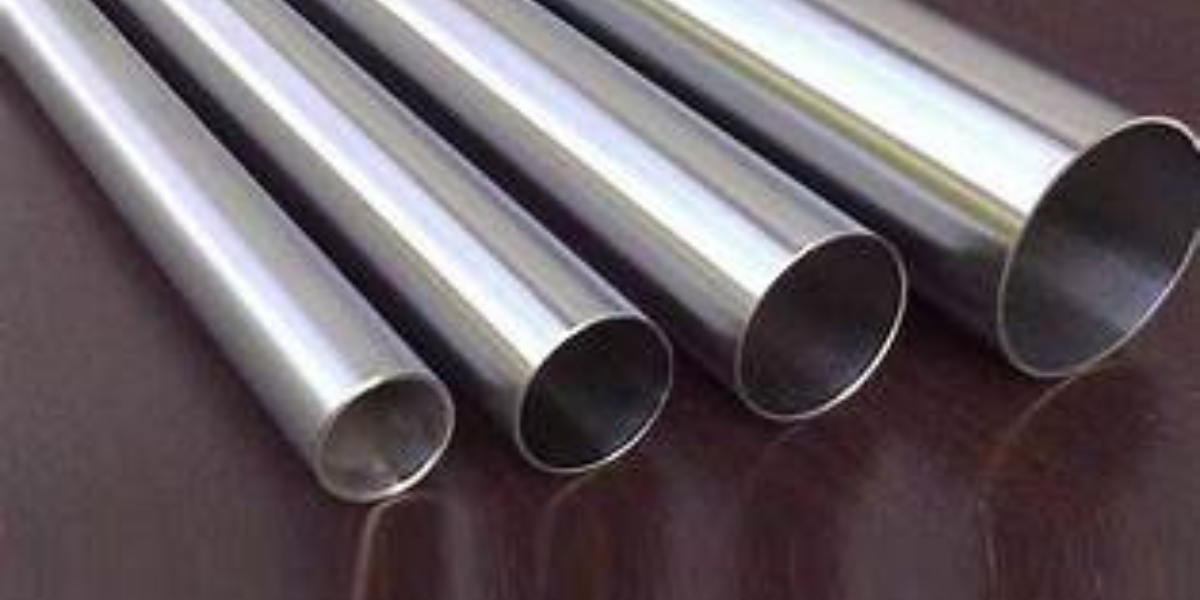
When performance, durability, and long-term value matter, stainless steel round bars are not just a material choice — they are a strategic decision.
From heavy construction to precision machining, from the automotive sector to marine environments, these bars consistently outperform alternatives. Why do engineers, fabricators, and procurement heads keep coming back to them? Simple: strength, corrosion resistance, versatility, and reliability — all in one material.
Let’s break down exactly why stainless steel round bars dominate across industries and how specific grades like 304 stainless steel round bar and 316 stainless steel round bar play critical roles.
What Makes Stainless Steel Round Bars So Widely Preferred?
Before diving into industries, let’s answer the big question:
What makes stainless steel round bars better than regular steel bars?
It comes down to three core performance factors:
- Exceptional corrosion resistance
- High mechanical strength
- Long service life with minimal maintenance
These corrosion resistant round bars are engineered to handle moisture, chemicals, pressure, and extreme temperatures without losing integrity. That’s not a luxury — in many industries, it’s a necessity.
Corrosion Resistant Round Bars: Built to Survive Harsh Environments
Rust is the silent killer of metal structures. But stainless steel round bars are designed to fight back.
The chromium in stainless steel forms a passive oxide layer that protects the surface. This makes corrosion resistant round bars ideal for:
- Coastal environments
- Chemical processing plants
- Wastewater facilities
- Outdoor infrastructure
This is where the 316 stainless steel round bar truly shines. Thanks to added molybdenum, it offers superior resistance to chlorides and chemicals. In marine or high-salinity environments, using anything else can be a costly mistake.
Bottom line? If corrosion is a risk, stainless steel isn’t an upgrade — it’s the standard.
304 Stainless Steel Round Bar: The Workhorse of Industry
If there’s one material you’ll find everywhere, it’s the 304 stainless steel round bar.
Why is it so popular?
- Excellent corrosion resistance in general environments
- Good weldability and formability
- Cost-effective compared to higher alloy grades
This grade is widely used in:
- Food processing equipment
- Architectural frameworks
- Storage tanks
- General fabrication
In real-world fabrication, 304 stainless steel round bar is often the first recommendation because it balances performance and price. It’s the dependable all-rounder that rarely disappoints.
316 Stainless Steel Round Bar: When Performance Cannot Be Compromised
Need extra resistance against chemicals, saltwater, or aggressive conditions? That’s where the 316 stainless steel round bar takes over.
Industries rely on it for:
- Marine hardware
- Pharmaceutical equipment
- Chemical reactors
- Offshore platforms
The addition of molybdenum gives this material enhanced resistance to pitting and crevice corrosion. In environments where failure isn’t an option, 316 stainless steel round bar becomes the safest bet.
Think about it: Would you trust standard steel in seawater exposure? Exactly.
Stainless Steel Bars for Construction: Strength Meets Longevity
Modern infrastructure demands materials that last decades — not years. That’s why stainless steel bars for construction are gaining traction globally.
Benefits in construction include:
- High load-bearing capacity
- Resistance to weather and pollution
- Minimal maintenance costs
- Long structural life
Bridges, airports, commercial buildings, and industrial plants increasingly use high strength stainless steel bars to prevent corrosion-related failures.
Using stainless steel from the start eliminates repainting, coating, and frequent replacement — a major lifecycle cost advantage.
SS Round Bars in Automotive Industry: Performance Under Pressure
The SS round bars in automotive industry applications go far beyond simple components.
They are used for:
- Shafts
- Fasteners
- Axles
- Engine parts
- Exhaust systems
Why stainless steel? Because automotive parts face vibration, heat, stress, and environmental exposure daily.
High strength stainless steel bars provide:
- Fatigue resistance
- Dimensional stability
- Wear resistance
In performance vehicles and heavy-duty transport, reliability is non-negotiable — and stainless steel delivers.
Stainless Steel Bars for Machining: Precision Without Compromise
Machining demands consistency. Poor material quality leads to tool wear, dimensional errors, and production delays.
That’s why stainless steel bars for machining are carefully selected for:
- Uniform grain structure
- Predictable mechanical properties
- Excellent surface finish
Stainless steel bright bars are especially valuable here. Their smooth finish and tight tolerances reduce machining time and improve final product accuracy.
For precision industries like aerospace, medical equipment, and instrumentation, this level of control is critical.
High Strength Stainless Steel Bars: Handling Extreme Loads
Not all stainless steel is the same. Certain grades are designed to be high strength stainless steel bars, capable of withstanding:
- Heavy loads
- Impact stress
- Mechanical fatigue
These bars are used in:
- Structural supports
- Heavy machinery
- Industrial frameworks
When failure can lead to downtime or safety risks, high strength stainless steel becomes a performance safeguard.
Stainless Steel Bright Bars: Where Finish Matters
Surface quality isn’t just about looks. Stainless steel bright bars offer:
- Improved dimensional accuracy
- Enhanced corrosion resistance due to smooth surfaces
- Better performance in precision components
They are widely used in:
- Fasteners
- Medical instruments
- Decorative architectural applications
A cleaner finish means fewer surface defects — and fewer corrosion initiation points.
Long-Term Cost Benefits of Stainless Steel Round Bars
Some buyers focus only on initial cost. Experienced engineers look at lifecycle value.
Stainless steel round bars offer:
- Lower maintenance costs
- Fewer replacements
- Reduced downtime
- Better reliability
When you factor in longevity, corrosion resistant round bars often turn out to be the most economical choice over time.
Cheap steel saves money today. Stainless steel saves money for years.
Why Industries Continue to Trust Stainless Steel Round Bars
Across industries, the pattern is clear:
| Requirement | How Stainless Steel Round Bars Deliver |
| Corrosion resistance | Chromium and molybdenum protection |
| Strength | High mechanical properties |
| Machinability | Excellent with stainless steel bright bars |
| Hygiene | Ideal for food and pharma |
| Longevity | Decades of service life |
Whether it’s a 304 stainless steel round bar for general fabrication or a 316 stainless steel round bar for harsh environments, these materials are engineered for reliability.
Final Thoughts: Performance You Can Rely On
Materials don’t just build products — they determine success, safety, and long-term costs.
Stainless steel round bars are trusted because they perform under pressure, resist corrosion, and deliver unmatched durability across sectors like construction, automotive, marine, machining, and heavy industry.
The real question isn’t why use stainless steel round bars?
It’s why risk using anything else?
FAQs: Stainless Steel Round Bars
1. What are stainless steel round bars used for?
Stainless steel round bars are widely used in construction, automotive components, machining parts, marine hardware, fasteners, and industrial equipment. Their strength, durability, and corrosion resistance make them suitable for load-bearing structures, shafts, valves, and precision-engineered parts. Industries prefer them because they offer long service life with minimal maintenance.
2. What is the difference between a 304 stainless steel round bar and a 316 stainless steel round bar?
The main difference lies in corrosion resistance. A 304 stainless steel round bar provides excellent resistance to general atmospheric corrosion and is widely used in fabrication and construction. A 316 stainless steel round bar contains molybdenum, which gives it superior resistance to chlorides, saltwater, and chemicals, making it ideal for marine, chemical, and pharmaceutical industries.
3. Why are stainless steel round bars considered corrosion resistant?
Corrosion resistant round bars made from stainless steel contain chromium, which forms a protective oxide layer on the surface. This passive layer prevents rust and surface degradation even in moisture, chemical, or outdoor environments. Grades like 316 enhance this resistance further, especially in chloride-rich conditions.
4. Are stainless steel bars suitable for construction projects?
Yes, stainless steel bars for construction are increasingly used in bridges, commercial buildings, industrial plants, and infrastructure. They provide high strength, weather resistance, and low maintenance requirements, making them more cost-effective over a structure’s lifecycle compared to traditional carbon steel.
5. How are SS round bars used in the automotive industry?
SS round bars in automotive industry applications include shafts, axles, fasteners, exhaust components, and engine parts. Their high strength, resistance to heat, and fatigue performance help vehicles maintain durability and safety under constant vibration, stress, and environmental exposure.
6. What makes stainless steel bars ideal for machining?
Stainless steel bars for machining are valued for their consistent composition, structural integrity, and predictable mechanical behavior. Stainless steel bright bars, in particular, offer smooth surfaces and tight dimensional tolerances, which improve machining efficiency and final product accuracy.
7. What are high strength stainless steel bars?
High strength stainless steel bars are grades engineered to withstand heavy mechanical loads, impact, and stress. They are used in structural frameworks, heavy machinery, and industrial equipment where mechanical reliability and safety are critical.
8. What are stainless steel bright bars and where are they used?
Stainless steel bright bars are precision-finished bars with improved surface smoothness and dimensional accuracy. They are commonly used in fasteners, precision shafts, medical instruments, and components where surface quality and tight tolerances are essential.
9. Are stainless steel round bars more expensive than carbon steel bars?
Initially, yes — stainless steel round bars may have a higher upfront cost. However, their long lifespan, low maintenance, corrosion resistance, and reduced replacement frequency make them more economical over time, especially in demanding environments.
10. Which industries benefit the most from stainless steel round bars?
Industries that benefit the most include construction, automotive, marine, chemical processing, food and beverage, pharmaceuticals, and heavy engineering. Both 304 stainless steel round bar and 316 stainless steel round bar variants serve critical roles depending on environmental exposure and performance requirements.