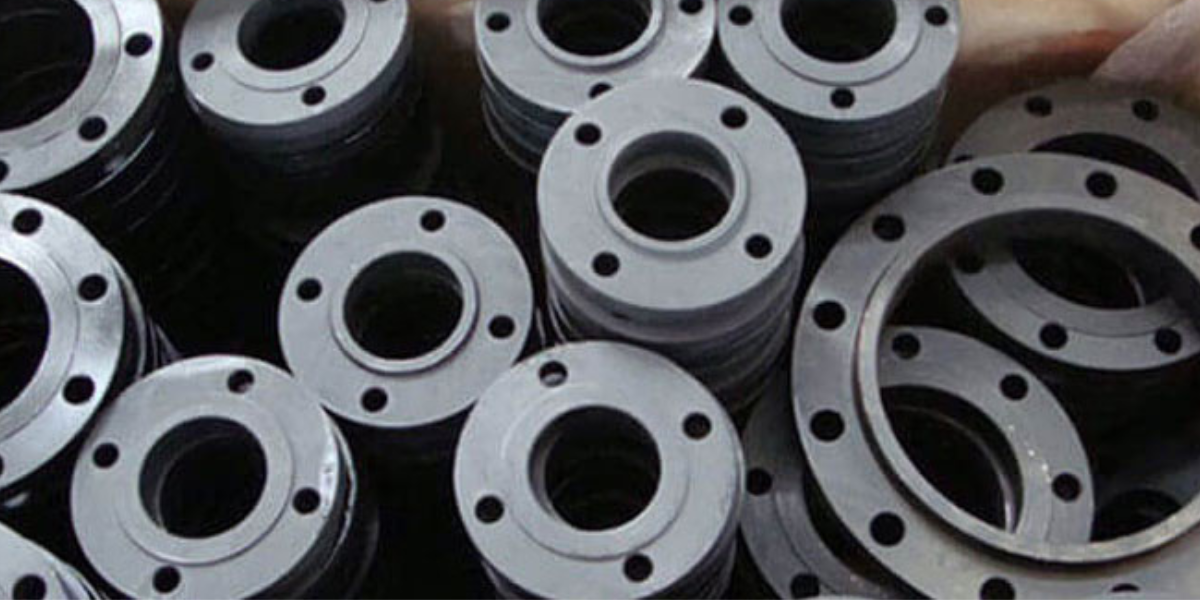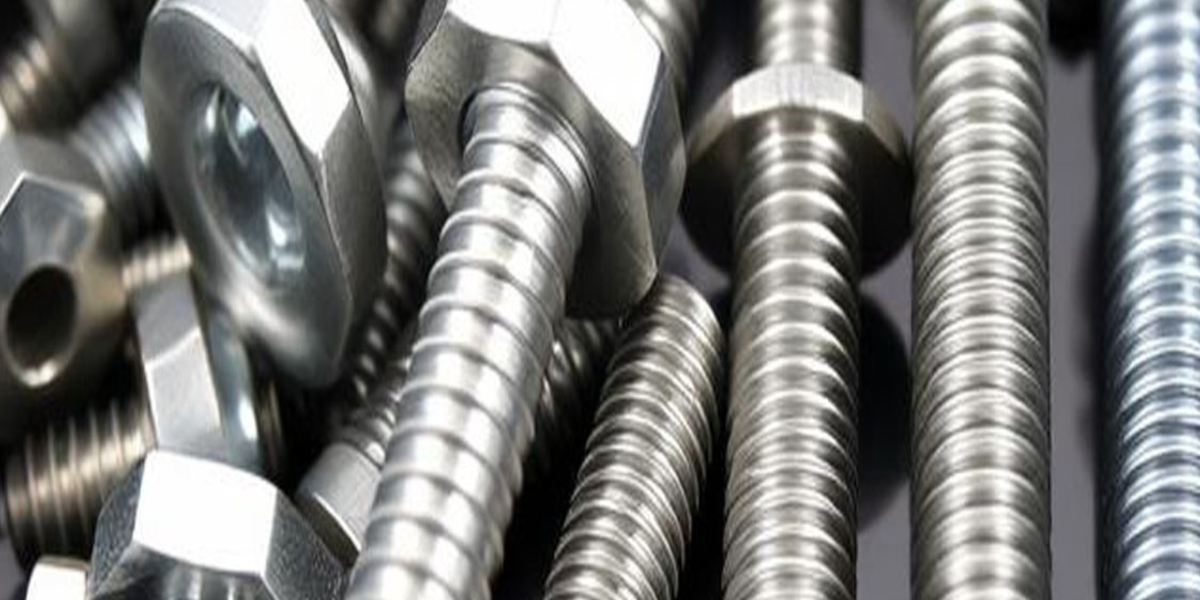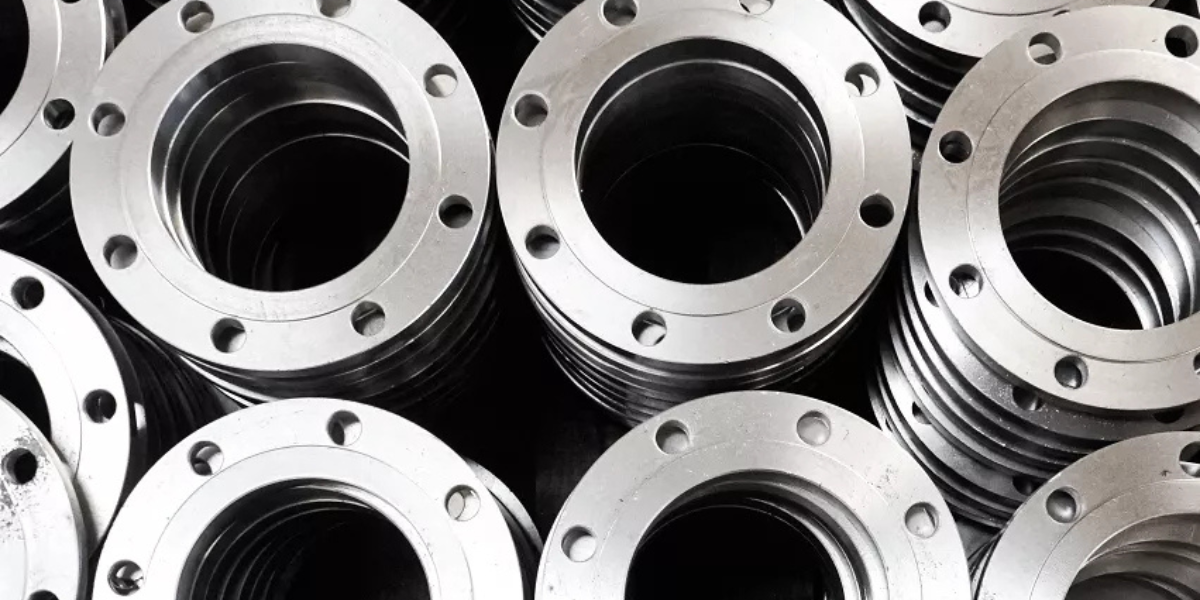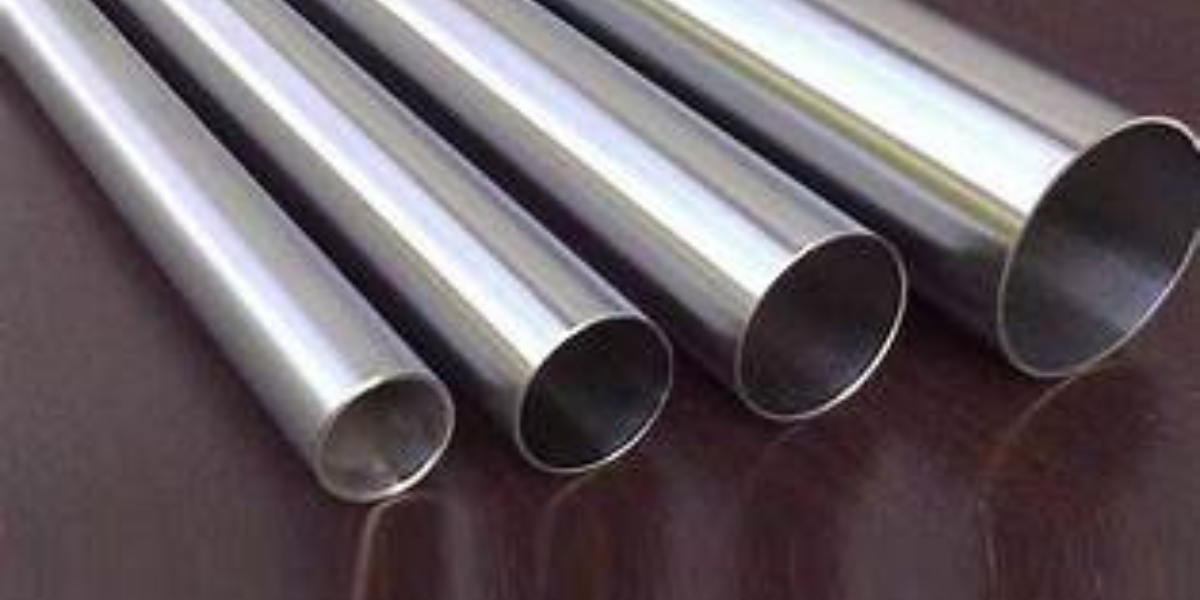
In the oil and gas industry, failure is not an option. A minor leak can become a million-dollar shutdown. A weak joint can turn into a safety hazard. And that’s exactly where stainless steel flanges in oil and gas prove their worth — quietly, reliably, and under extreme pressure.
Pipelines stretch for miles. Refineries run 24/7. Offshore platforms battle salt, pressure, and temperature swings. What holds these complex systems together? Precision-engineered flanged connections.
Let’s break down why stainless steel flanges are not just components — they are critical safety and performance enablers.
Why Stainless Steel Flanges in Oil and Gas Are Non-Negotiable
The oil and gas sector operates in some of the harshest industrial environments known. We’re talking about:
- High pressure
- Extreme temperatures
- Corrosive chemicals
- Saltwater exposure
- Mechanical stress and vibration
Under these conditions, ordinary materials fail fast. Stainless steel flanges in oil and gas are chosen because they offer:
Exceptional corrosion resistance
High mechanical strength
Long service life
Leak-proof joint integrity
Low maintenance requirements
When downtime costs thousands of dollars per minute, reliability isn’t a luxury — it’s survival.
Understanding Stainless Steel Flange Types Used in Oil and Gas
Choosing the correct flange design is just as important as choosing the material. Different systems require different load-bearing and sealing capabilities. Let’s look at the most widely used stainless steel flange types.
Weld Neck Flanges – Strength Where It Matters Most
These are the go-to for high-stress systems. Their tapered hub distributes stress evenly, making them ideal for:
- High-pressure lines
- High-temperature pipelines
- Critical processing units
Weld neck flanges are widely used as high pressure stainless steel flanges in refineries and gas processing plants.
Slip-On Flanges – Practical and Cost-Effective
Slip-on flanges are easier to align and install. While not as strong as weld neck, they work well in:
- Low to moderate pressure systems
- Utility lines
- Non-critical applications
Blind Flanges – Safety in Isolation
Blind flanges are used to close pipe ends and allow future expansion. In refinery shutdowns and maintenance, they are essential flanges for refinery piping systems.
Socket Weld and Threaded Flanges
Used for smaller diameters, these flanges are common in instrumentation lines and hydraulic systems — small size, big responsibility.
Corrosion Resistant Flanges for Pipelines: Fighting the Real Enemy
Let’s be honest — pressure is dangerous, but corrosion is relentless.
Pipelines transport:
- Sour gas (H₂S)
- Crude oil with chlorides
- Chemical byproducts
- Seawater in offshore operations
This is why corrosion resistant flanges for pipelines are essential. Stainless steel grades like 304, 316, duplex, and super duplex are selected based on corrosion exposure.
Why corrosion resistance matters:
- Prevents pitting and crevice corrosion
- Stops flange face damage that causes leaks
- Extends inspection intervals
- Reduces replacement costs
A flange that resists corrosion doesn’t just last longer — it protects the entire pipeline system.
High Pressure Stainless Steel Flanges: Built to Handle Extremes
Oil and gas systems don’t operate at household pressures. We’re talking about:
- 1500, 2500, or even higher pressure classes
- Gas compression systems
- High-temperature steam lines
High pressure stainless steel flanges are designed with:
- Thick cross-sections
- Precision-machined sealing surfaces
- Strong weld joints
- Strict dimensional tolerances
Their job? Contain energy safely. Because when pressure escapes, consequences escalate fast.
SS Flanges for Offshore Platforms: Where Salt Meets Steel
Offshore is a completely different battlefield.
Saltwater, humidity, temperature changes, and constant vibration make corrosion accelerate rapidly. This is why SS flanges for offshore platforms are often made from:
- 316 stainless steel
- Duplex stainless steel
- Super duplex stainless steel
These materials offer:
✔ Resistance to chloride stress corrosion cracking
✔ Superior strength-to-weight ratio
✔ Long-term durability in marine conditions
Without the right stainless flanges, offshore systems would face frequent failures — and offshore repairs are extremely expensive.
ASTM Stainless Steel Flanges: Why Standards Matter
In oil and gas, guesswork is dangerous. That’s why ASTM stainless steel flanges are specified.
Standards such as ASTM A182 define:
- Chemical composition
- Mechanical properties
- Heat treatment
- Testing requirements
Using certified ASTM flanges ensures:
- Traceability
- Predictable performance
- Regulatory compliance
- Safety assurance
When inspectors check systems, certification matters. Standards are not paperwork — they’re proof of reliability.
Flanges for Refinery Piping Systems: The Heart of Processing Plants
Refineries are complex networks of pipes, reactors, heat exchangers, and distillation columns. Flanges for refinery piping systems allow:
- Easy maintenance
- Quick component replacement
- System expansion
- Inspection access
Without flanged joints, maintenance would mean cutting and rewelding pipes — time-consuming and risky.
In refining environments, stainless steel flanges resist:
- Hydrocarbon corrosion
- High temperatures
- Process chemicals
They keep operations smooth and downtime minimal.
Stainless Steel Flanges as Critical Oil and Gas Pipeline Components
Think of flanges as connectors that enable the entire system to function. Among all oil and gas pipeline components, flanges play a unique role:
- Connect pipes
- Join valves
- Attach pumps
- Integrate meters and instruments
They allow systems to be assembled, disassembled, modified, and maintained. No other component offers this flexibility.
Without flanges, pipelines would be rigid, unserviceable structures. With them, pipelines become manageable engineering systems.
Safety, Longevity, and Cost Efficiency: The Real Value
Let’s address the big question:
Are stainless steel flanges more expensive upfront?
Yes.
Are they cheaper in the long run? Absolutely.
Because they offer:
- Fewer leaks
- Reduced downtime
- Lower maintenance costs
- Longer replacement cycles
- Improved worker safety
In oil and gas, the cheapest component often becomes the most expensive mistake.
Final Thoughts: Why Stainless Steel Flanges in Oil and Gas Define System Reliability
When people think of oil and gas infrastructure, they imagine rigs, pipelines, and refineries. But the real heroes are often smaller components working silently.
Stainless steel flanges in oil and gas are not just metal rings — they are:
- Pressure barriers
- Corrosion shields
- Maintenance enablers
- Safety devices
They ensure that high-risk systems remain controlled, secure, and efficient.
So next time you see a pipeline, ask yourself:
What’s holding that system together under pressure, corrosion, and heat?
The answer is clear.
Engineered stainless steel flanges — the unsung backbone of the oil and gas industry.