In piping systems, failures rarely happen because of pipes alone. More often than not, the weakest link is at the joint. And that’s exactly where Stainless Steel Flanges come into play.
Whether you are designing a refinery pipeline, a pharmaceutical processing line, or a high-pressure steam system, the right flange selection determines long-term reliability. The question is not whether you need the right flange — it is how precisely you select it.
In this comprehensive guide, we will break down:
- The Types of Stainless Steel Flanges
- Key Stainless Steel Flange Standards
- Important ASTM Stainless Steel Flange Grades
- Differences between 304 vs 316 Stainless Steel Flanges
- A practical Stainless Steel Flange Selection Guide
- Why Industrial Stainless Steel Flanges are indispensable across sectors
Let’s begin.
What Are Stainless Steel Flanges?
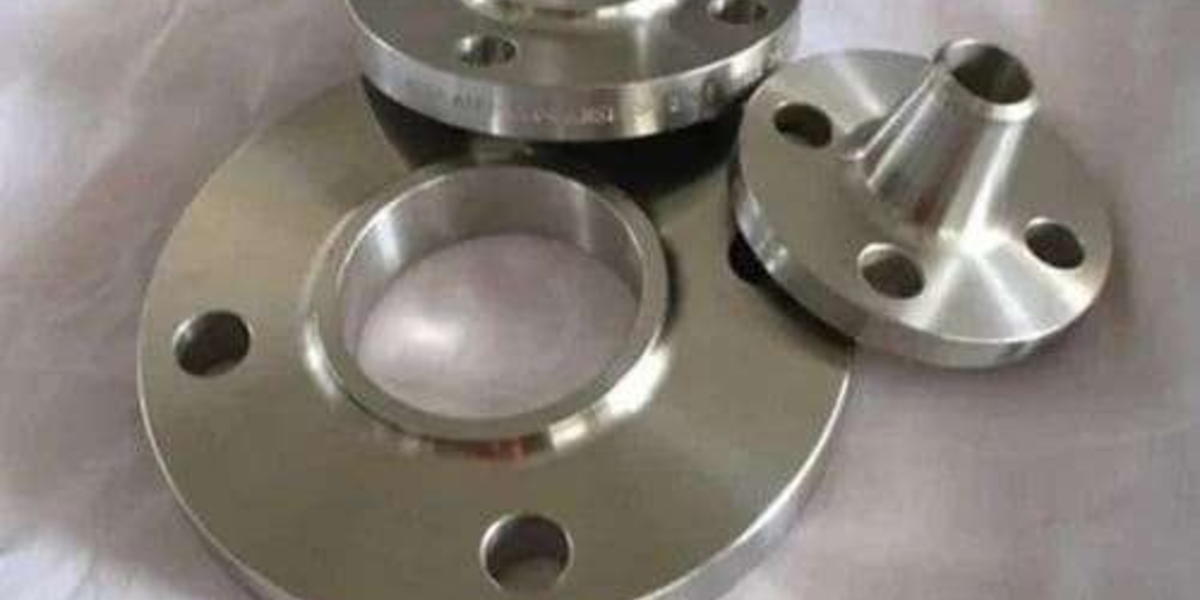
Stainless Steel Flanges are forged or machined components used to connect pipes, valves, pumps, and other equipment in piping systems. They provide easy access for inspection, cleaning, and modification.
Unlike welded joints, flanged connections are detachable. That flexibility is critical in industries where maintenance and safety are non-negotiable.
Why stainless steel? Because corrosion resistance, mechanical strength, and temperature tolerance are not optional in industrial environments — they are mandatory.
Types of Stainless Steel Flanges
Understanding the Types of Stainless Steel Flanges is the first step toward making the right engineering decision. Each type serves a specific operational purpose.
1. Weld Neck Flanges
Designed for high-pressure and high-temperature applications, weld neck flanges feature a long tapered hub. This design reduces stress concentration at the base.
Best suited for:
- Oil & gas pipelines
- Power plants
- Petrochemical systems
When system integrity is critical, this is often the preferred option among Industrial Stainless Steel Flanges.
2. Slip-On Flanges
Slip-on flanges are easy to align and install. The pipe is inserted into the flange and welded both inside and outside.
Best suited for:
- Low to moderate pressure systems
- Utility pipelines
They are cost-effective but not ideal for highly dynamic environments.
3. Blind Flanges
Used to close the end of piping systems, blind flanges provide easy access for future expansion.
If you need to isolate a system temporarily or permanently, blind flanges are the answer.
4. Socket Weld Flanges
These are designed for small-diameter, high-pressure piping systems. The pipe fits into a socket before welding.
Common in:
- Hydraulic systems
- High-pressure steam lines
5. Threaded Flanges
Threaded flanges are connected without welding. They are useful in explosive environments where welding risks must be minimized.
6. Lap Joint Flanges
Used with stub ends, lap joint flanges allow easy alignment and rotation.
Ideal for:
- Systems requiring frequent dismantling
- Applications where corrosion resistance of the flange itself is less critical
Understanding these Types of Stainless Steel Flanges ensures you match geometry with system demands rather than making assumptions.
Stainless Steel Flange Standards
When it comes to flanges, standards are not suggestions — they are engineering rules.
ASME Stainless Steel Flanges
ASME Stainless Steel Flanges are governed primarily by ASME B16.5 and ASME B16.47 standards. These define:
- Pressure-temperature ratings
- Dimensions
- Tolerances
- Markings
- Testing requirements
If your system operates in North America or follows global oil & gas norms, ASME compliance is typically mandatory.
Ignoring these standards is not just risky — it can invalidate certifications and insurance coverage.
ASTM Stainless Steel Flange Grades
While ASME defines dimensions and pressure classes, ASTM Stainless Steel Flange Grades specify the material composition.
Common ASTM specifications include:
- ASTM A182 (for forged flanges)
- ASTM A240 (for plate materials)
Material grades determine corrosion resistance, mechanical strength, and temperature capability.
Standards create consistency. Consistency creates reliability.
ASTM Stainless Steel Flange Grades Explained
Selecting the right ASTM Stainless Steel Flange Grades requires understanding the environment your system operates in.
304 Stainless Steel Flanges
- Excellent corrosion resistance
- Cost-effective
- Suitable for general-purpose applications
- Common in food processing and water systems
316 Stainless Steel Flanges
- Enhanced corrosion resistance due to molybdenum
- Superior performance in chloride environments
- Ideal for marine and chemical processing industries
Which brings us to the most frequently asked question…
304 vs 316 Stainless Steel Flanges
The debate around 304 vs 316 Stainless Steel Flanges is not about which is better — it is about which is suitable.
Choose 304 When:
- Exposure to mild corrosive conditions
- Budget constraints exist
- Application is non-marine and low chloride
Choose 316 When:
- Chlorides are present
- Offshore or marine environments
- Chemical processing is involved
- Long-term durability outweighs cost
In aggressive environments, choosing 304 over 316 may save money today but cost exponentially more tomorrow in maintenance and downtime.
In engineering, foresight beats hindsight.
Industrial Stainless Steel Flanges: Where They Are Used
Industrial Stainless Steel Flanges are not limited to one sector. They are foundational components in:
- Oil & Gas
- Petrochemical
- Power Generation
- Water Treatment
- Pharmaceutical Manufacturing
- Food & Beverage Processing
- Marine Engineering
In each of these industries, flanges must withstand:
- High pressure
- Thermal cycling
- Corrosive chemicals
- Mechanical stress
A poorly selected flange can cause leakage, shutdowns, and even catastrophic failure.
The margin for error? Minimal.
Stainless Steel Flange Selection Guide
Choosing the right flange requires a structured approach. This Stainless Steel Flange Selection Guide simplifies the decision-making process.
1. Identify Pressure Class
ASME pressure classes range from 150 to 2500. Higher pressure systems demand stronger flange designs.
Never guess. Always calculate operating and design pressure.
2. Evaluate Temperature Conditions
Thermal expansion affects flange integrity. High temperatures reduce material strength.
Check pressure-temperature ratings under relevant Stainless Steel Flange Standards.
3. Assess Corrosion Environment
Is your system exposed to:
- Chlorides?
- Acids?
- Seawater?
- High humidity?
This determines whether 304 or 316 (or higher alloy grades) should be selected.
4. Determine Flange Type
Match application requirements with the correct Types of Stainless Steel Flanges:
- High pressure → Weld neck
- Frequent disassembly → Lap joint
- Line termination → Blind
- Hazardous zones → Threaded
5. Verify Material Certification
Ensure compliance with relevant ASTM Stainless Steel Flange Grades and ASME Stainless Steel Flanges specifications.
Request:
- Mill test certificates
- Chemical composition reports
- Mechanical testing results
Trust, but verify.
6. Consider Lifecycle Cost
The cheapest flange is rarely the most economical.
Factor in:
- Maintenance frequency
- Downtime risks
- Replacement cycles
- Inspection requirements
Long-term thinking defines professional engineering decisions.
Common Mistakes in Selecting Stainless Steel Flanges
Even experienced professionals sometimes overlook key factors.
Mistake 1: Ignoring Chloride Exposure
Leads to pitting and crevice corrosion.
Mistake 2: Overlooking Pressure Class
Results in joint failure.
Mistake 3: Choosing Based Solely on Cost
Short-term savings, long-term losses.
Mistake 4: Mixing Standards
Using mismatched flange standards compromises fit and sealing integrity.
Precision is not optional in flange selection.
Why Stainless Steel Flanges Remain the Industry Standard
Why not carbon steel? Why not alloys? Why stainless?
Because Stainless Steel Flanges offer the optimal balance between:
- Corrosion resistance
- Mechanical strength
- Fabrication flexibility
- Hygienic properties
- Cost efficiency
They deliver reliability across industries without excessive material cost escalation.
That is why they remain the backbone of modern piping systems.
Final Thoughts: Engineering Confidence Starts at the Joint
Every pipeline tells a story. And every joint defines its future.
Understanding Types of Stainless Steel Flanges, complying with Stainless Steel Flange Standards, selecting the correct ASTM Stainless Steel Flange Grades, and applying a structured Stainless Steel Flange Selection Guide is not just technical knowledge — it is operational wisdom.
When comparing 304 vs 316 Stainless Steel Flanges, remember: application dictates material.
When specifying ASME Stainless Steel Flanges, remember: standards protect systems.
When sourcing Industrial Stainless Steel Flanges, remember: quality defines longevity.
The right flange does not just connect pipes.
It connects performance with safety.
It connects engineering with accountability.
It connects today’s decisions with tomorrow’s reliability.
And that is the difference between installation and expertise.
FAQs: Understanding Stainless Steel Flanges – Types, Standards & Selection Guide
What Are Stainless Steel Flanges and Why Are They Important?
Stainless Steel Flanges are forged or machined components used to connect pipes, valves, pumps, and other equipment in piping systems. They create a secure, leak-proof joint while allowing easy access for maintenance, inspection, or system modification.
In industrial environments, reliability is critical. Properly selected Industrial Stainless Steel Flanges ensure structural integrity under high pressure, extreme temperatures, and corrosive conditions. Their durability, corrosion resistance, and mechanical strength make them the preferred choice across oil & gas, chemical processing, water treatment, power generation, and food industries.
What Are the Different Types of Stainless Steel Flanges?
Types of Stainless Steel Flanges Explained
Understanding the Types of Stainless Steel Flanges is essential for ensuring system safety and efficiency. Each type is engineered for specific operational requirements:
- Weld Neck Flanges – Ideal for high-pressure and high-temperature systems. The tapered hub reduces stress concentration.
- Slip-On Flanges – Easy to install and suitable for low to moderate pressure applications.
- Blind Flanges – Used to seal the end of a piping system.
- Socket Weld Flanges – Designed for small-diameter, high-pressure pipelines.
- Threaded Flanges – Suitable where welding is not recommended.
- Lap Joint Flanges – Used with stub ends for systems requiring frequent dismantling.
Selecting the correct type is the first step in a reliable Stainless Steel Flange Selection Guide.
What Are Stainless Steel Flange Standards?
Understanding Stainless Steel Flange Standards
Stainless Steel Flange Standards define dimensions, pressure ratings, tolerances, material properties, and testing requirements. Compliance ensures compatibility and safety across global industrial projects.
The most widely followed standards include:
- ASME B16.5 (for flanges up to 24 inches)
- ASME B16.47 (for larger diameters)
- ASTM material specifications for forged components
Following proper standards prevents leakage, misalignment, and mechanical failure in critical systems.
What Are ASME Stainless Steel Flanges?
ASME Stainless Steel Flanges and Their Importance
ASME Stainless Steel Flanges comply with standards issued by the American Society of Mechanical Engineers. These standards define:
- Pressure-temperature ratings
- Bolt hole dimensions
- Facing types
- Material strength requirements
ASME compliance is mandatory in many international projects, especially in oil & gas, petrochemical, and power generation industries. Using certified ASME Stainless Steel Flanges ensures uniformity and global acceptability.
What Are ASTM Stainless Steel Flange Grades?
ASTM Stainless Steel Flange Grades Explained
While ASME defines dimensions and pressure classes, ASTM Stainless Steel Flange Grades specify material composition and mechanical properties.
Common ASTM grades include:
- ASTM A182 F304
- ASTM A182 F316
- ASTM A182 F321
- ASTM A182 F347
Each grade is engineered for different corrosion resistance levels, temperature performance, and mechanical strength. Selecting the appropriate ASTM Stainless Steel Flange Grades ensures long-term operational reliability.
What Is the Difference Between 304 vs 316 Stainless Steel Flanges?
304 vs 316 Stainless Steel Flanges – Which One Should You Choose?
The comparison between 304 vs 316 Stainless Steel Flanges is one of the most frequently asked questions in industrial procurement.
304 Stainless Steel Flanges:
- Excellent general corrosion resistance
- Cost-effective
- Suitable for water, food processing, and mild environments
316 Stainless Steel Flanges:
- Contains molybdenum for enhanced corrosion resistance
- Performs better in chloride and marine environments
- Ideal for chemical processing and offshore industries
When selecting between 304 vs 316 Stainless Steel Flanges, evaluate environmental exposure, chloride levels, and long-term maintenance costs.
How Do You Use a Stainless Steel Flange Selection Guide?
Stainless Steel Flange Selection Guide for Industrial Projects
A structured Stainless Steel Flange Selection Guide helps engineers and procurement teams avoid costly mistakes. Consider the following factors:
- Pressure Class – Determine system operating and design pressure.
- Temperature Range – Confirm pressure-temperature compatibility.
- Corrosion Environment – Assess chemical exposure.
- Flange Type – Match the appropriate type to application needs.
- Material Grade – Select suitable ASTM Stainless Steel Flange Grades.
- Standard Compliance – Ensure ASME Stainless Steel Flanges certification.
- Facing Type – Choose raised face, flat face, or ring-type joint depending on sealing requirements.
Following a comprehensive Stainless Steel Flange Selection Guide ensures safety, durability, and cost efficiency.
Where Are Industrial Stainless Steel Flanges Commonly Used?
Applications of Industrial Stainless Steel Flanges
Industrial Stainless Steel Flanges are used in:
- Oil & Gas pipelines
- Petrochemical plants
- Power generation facilities
- Water and wastewater treatment systems
- Pharmaceutical manufacturing
- Food and beverage processing
- Marine and offshore platforms
These sectors demand high-performance materials capable of resisting corrosion, pressure fluctuations, and mechanical stress.
Why Is Certification Important When Purchasing Stainless Steel Flanges?
Certification ensures compliance with Stainless Steel Flange Standards and confirms that the material meets required mechanical and chemical specifications.
Key documents include:
- Mill Test Certificates (MTC)
- Chemical composition reports
- Mechanical test reports
- Heat treatment records
Without proper certification, even high-quality Stainless Steel Flanges may not meet regulatory or project requirements.
How Does Quality Manufacturing Impact Stainless Steel Flanges?
The performance of Stainless Steel Flanges depends heavily on raw material selection, forging processes, machining accuracy, and quality control.
At Arham Alloys, although our core expertise lies in stainless steel wire manufacturing, we follow stringent quality assurance protocols that reflect our broader commitment to material excellence. Our process begins with carefully selected raw materials that meet international composition standards. Through controlled manufacturing operations, we ensure precise dimensions and mechanical properties required by modern industries.
Our experience in delivering material across multiple delivery states demonstrates our technical depth and understanding of industrial requirements. This same quality-focused approach applies when evaluating or sourcing Industrial Stainless Steel Flanges — precision, compliance, and consistency must never be compromised.
What Are Common Mistakes to Avoid When Selecting Stainless Steel Flanges?
When working with Industrial Stainless Steel Flanges, avoid these common errors:
- Ignoring corrosion factors when comparing 304 vs 316 Stainless Steel Flanges
- Mixing incompatible Stainless Steel Flange Standards
- Selecting incorrect pressure class
- Overlooking gasket compatibility
- Choosing based solely on price
Flange failure can lead to system shutdowns, environmental hazards, and financial loss. Careful adherence to a Stainless Steel Flange Selection Guide reduces risk significantly.
Are Stainless Steel Flanges Suitable for High-Pressure Applications?
Yes, provided the correct Types of Stainless Steel Flanges and appropriate pressure class are selected. Weld neck and socket weld flanges, when manufactured according to ASME Stainless Steel Flanges standards, are widely used in high-pressure and high-temperature environments.
Material grade selection through proper ASTM Stainless Steel Flange Grades specification further ensures mechanical integrity under extreme operating conditions.
Final Thoughts on Stainless Steel Flanges
Understanding Stainless Steel Flanges involves more than knowing their shape or size. It requires knowledge of:
- The various Types of Stainless Steel Flanges
- Applicable Stainless Steel Flange Standards
- Differences in ASTM Stainless Steel Flange Grades
- Practical comparisons such as 304 vs 316 Stainless Steel Flanges
- A structured Stainless Steel Flange Selection Guide
In industrial systems, flanges are not minor components — they are critical safety elements. Precision in selection leads to long-term reliability, operational safety, and reduced maintenance costs.