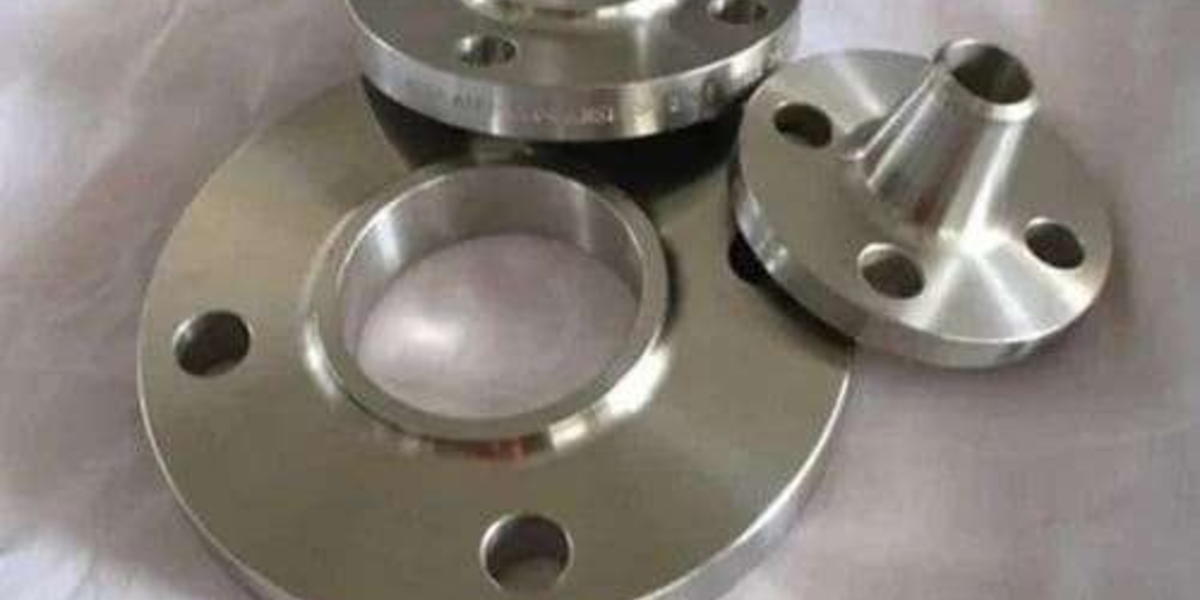
When a piping system fails, it’s rarely because of the pipe alone. More often, the weak link is the fitting. The elbow. The tee. The reducer. The joint that takes the stress, pressure, temperature, and corrosion head-on.
So here’s the real question:
Are you choosing fittings by price… or by performance?
Understanding stainless steel pipe fittings grades is what separates long-lasting systems from constant maintenance nightmares. In this guide, we break down the major grades used across industries, where they shine, and where they should never be used.
What Are Stainless Steel Pipe Fittings Grades and Why Do They Matter?
Stainless steel pipe fittings grades refer to the chemical composition and mechanical properties that determine how fittings perform under corrosion, heat, pressure, and stress.
Every grade changes three critical factors:
- Corrosion resistance
- Strength and temperature tolerance
- Suitability for specific industries
Using the wrong grade in aggressive environments can lead to:
Pitting corrosion
Stress corrosion cracking
Joint failure
Costly downtime
That’s why industrial stainless steel fittings are never selected casually. The grade determines the lifespan of the entire system.
Understanding Austenitic Stainless Steel Pipe Fittings Grades
The most widely used category is austenitic stainless steel fittings. These grades contain high chromium and nickel, making them non-magnetic, highly formable, and extremely corrosion resistant.
This family includes:
- SS 304 pipe fittings
- SS 316 pipe fittings
- SS 310 fittings
- SS 321 pipe fittings
They dominate industries like food processing, chemicals, oil & gas, and marine systems because they offer reliable corrosion resistant pipe fittings performance.
SS 304 Pipe Fittings – The Industry Standard
If stainless steel had a “default setting,” it would be SS 304 pipe fittings.
Why SS 304 Pipe Fittings Are So Popular
SS 304 contains approximately 18% chromium and 8% nickel, giving it excellent corrosion resistance in mild environments.
Best for:
- Water pipelines
- Food and beverage plants
- Pharmaceutical equipment
- General industrial stainless steel fittings
Advantages:
Excellent formability
Good weldability
Strong resistance to oxidation
Cost-effective
But here’s the catch…
SS 304 pipe fittings are not ideal for chloride-rich or marine environments. Chlorides can cause pitting corrosion over time. That’s where the next grade takes over.
SS 316 Pipe Fittings – The Corrosion Fighter
When corrosion gets aggressive, SS 316 pipe fittings step in.
The difference? Molybdenum.
SS 316 contains 2–3% molybdenum, which dramatically increases resistance to chlorides, chemicals, and marine exposure.
Where SS 316 Pipe Fittings Excel
- Chemical processing plants
- Coastal infrastructure
- Marine piping systems
- Pharmaceutical and biotech plants
Why engineers prefer SS 316 pipe fittings:
✔ Superior pitting resistance
✔ Better performance in acidic environments
✔ Longer service life in harsh conditions
If failure isn’t an option, 316 is often the safest bet among stainless steel pipe fittings grades.
SS 310 Fittings – Built for Extreme Heat
Now let’s talk heat.
SS 310 fittings are designed for high-temperature applications where standard grades would lose strength.
With higher chromium and nickel content, SS 310 offers:
- Excellent oxidation resistance
- Strong performance at elevated temperatures
- Good thermal fatigue resistance
Common Uses of SS 310 Fittings
- Furnace components
- Heat exchangers
- Thermal processing units
- Petrochemical plants
If your fittings face continuous high temperatures, standard austenitic stainless steel fittings like 304 or 316 simply won’t last.
SS 321 Pipe Fittings – Stability Under Stress
Welding can create a hidden problem: carbide precipitation, which reduces corrosion resistance. SS 321 pipe fittings solve this using titanium stabilization.
Why Choose SS 321 Pipe Fittings?
✔ Excellent resistance to intergranular corrosion
✔ Strong performance in high-temperature welded systems
✔ Ideal for cyclic heating environments
You’ll find SS 321 pipe fittings in:
- Aircraft exhaust systems
- Thermal oxidizers
- High-temperature chemical processing
When weld integrity matters, 321 outperforms many other stainless steel pipe fittings grades.
Duplex Stainless Steel Fittings – Strength Meets Corrosion Resistance
Need something stronger than austenitic grades?
Duplex stainless steel fittings combine austenitic and ferritic structures, delivering:
- Twice the strength of 304/316
- Excellent resistance to stress corrosion cracking
- Superior performance in high-pressure systems
Where Duplex Stainless Steel Fittings Are Used
- Offshore oil platforms
- Desalination plants
- High-pressure chemical pipelines
- Structural piping systems
When mechanical stress and corrosion act together, duplex becomes the hero among corrosion resistant pipe fittings.
Stainless Steel Elbow Tee Reducer Grades – Why Shape Matters Too
It’s not just about straight fittings. Stainless steel elbow tee reducer grades must match the system demands.
- Elbows handle directional stress
- Tees manage flow distribution
- Reducers control pressure changes
Using lower-grade fittings at these stress points can lead to cracking or leakage. That’s why selecting the correct stainless steel pipe fittings grades for each fitting type is essential.
How to Choose the Right Industrial Stainless Steel Fittings
Ask these questions before selecting:
- Is the environment corrosive? → Choose SS 316 pipe fittings or duplex
- Is high heat involved? → Go with SS 310 fittings or SS 321 pipe fittings
- Is cost a factor but environment mild? → SS 304 pipe fittings
- Is pressure extremely high? → Duplex stainless steel fittings
The smartest engineers balance performance, lifespan, and safety — not just upfront cost.
Why Corrosion Resistant Pipe Fittings Are a Long-Term Investment
Cheap fittings may save money today, but failure costs are massive:
- Shutdowns
- Product contamination
- Safety hazards
- Replacement labor
High-quality corrosion resistant pipe fittings reduce maintenance cycles and extend system life dramatically.
Final Thoughts: The Grade You Choose Defines System Reliability
There’s no “best” grade — only the right grade.
- SS 304 pipe fittings for general use
- SS 316 pipe fittings for aggressive corrosion
- SS 310 fittings for heat
- SS 321 pipe fittings for welded high-temp systems
- Duplex stainless steel fittings for strength and pressure
Choosing correctly means fewer failures, lower lifecycle costs, and safer operations.
Because in industrial systems, fittings don’t just connect pipes — they hold the entire system together.
FAQ – Stainless Steel Pipe Fittings Grades
1. What are stainless steel pipe fittings grades?
Stainless steel pipe fittings grades refer to the classification of fittings based on their chemical composition, corrosion resistance, strength, and temperature tolerance. Different grades like SS 304 pipe fittings, SS 316 pipe fittings, SS 310 fittings, SS 321 pipe fittings, and duplex stainless steel fittings are used depending on environmental conditions, pressure levels, and industry requirements. Choosing the correct grade ensures durability, safety, and long service life in industrial piping systems.
2. What is the difference between SS 304 pipe fittings and SS 316 pipe fittings?
The key difference between SS 304 pipe fittings and SS 316 pipe fittings is the presence of molybdenum in SS 316. This element improves resistance to chlorides and chemicals. SS 304 is ideal for general industrial use, while SS 316 is preferred in marine, chemical, and coastal environments where higher corrosion resistance is essential.
3. Where are SS 310 fittings typically used?
SS 310 fittings are designed for high-temperature environments. They are widely used in furnaces, heat exchangers, thermal processing units, and petrochemical plants. Among all stainless steel pipe fittings grades, SS 310 stands out for its oxidation resistance and ability to maintain strength at elevated temperatures.
4. Why are SS 321 pipe fittings used in welded systems?
SS 321 pipe fittings contain titanium, which stabilizes the material and prevents carbide precipitation during welding. This improves resistance to intergranular corrosion. These fittings are commonly used in high-temperature welded applications like aircraft exhaust systems and chemical processing plants.
5. What are duplex stainless steel fittings and when should they be used?
Duplex stainless steel fittings combine austenitic and ferritic microstructures, providing higher strength and excellent resistance to stress corrosion cracking. They are used in offshore platforms, desalination plants, and high-pressure chemical systems where both strength and corrosion resistance are critical.
6. Which stainless steel elbow tee reducer grades are best for high-pressure systems?
For high-pressure systems, duplex stainless steel fittings or SS 316 pipe fittings are preferred for stainless steel elbow tee reducer grades. These fittings handle mechanical stress and corrosive environments better than standard grades, reducing the risk of failure at flow direction points.
7. Are austenitic stainless steel fittings corrosion resistant?
Yes, austenitic stainless steel fittings such as SS 304, SS 316, SS 310, and SS 321 are known for their excellent corrosion resistance. However, their performance depends on the environment. For chloride-rich conditions, SS 316 pipe fittings perform better than SS 304 pipe fittings.
8. How do stainless steel pipe fittings grades affect industrial performance?
The choice of stainless steel pipe fittings grades directly impacts system longevity, maintenance frequency, and safety. Using the wrong grade can lead to pitting, cracking, or leakage, while the right grade ensures reliable performance in industrial stainless steel fittings across chemical, oil & gas, and food processing industries.
9. What are the most common industrial stainless steel fittings grades?
The most widely used industrial stainless steel fittings grades include SS 304 pipe fittings for general use, SS 316 pipe fittings for corrosion resistance, SS 310 fittings for heat resistance, SS 321 pipe fittings for welded high-temperature systems, and duplex stainless steel fittings for high-pressure applications.
10. Why are corrosion resistant pipe fittings important in industrial systems?
Corrosion resistant pipe fittings prevent structural degradation, leaks, and system failures. They extend pipeline life, reduce downtime, and minimize maintenance costs. Selecting the correct stainless steel pipe fittings grades is a long-term investment that improves operational safety and efficiency.