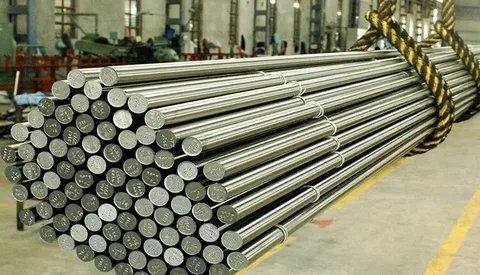
Whether you’re sourcing material for a food processing plant, a chemical reactor, or an architectural cladding project, understanding the fundamental distinctions between stainless steel sheets, plates, and coils isn’t just academic. It directly affects your cost, lead time, fabrication method, and final product performance. Get it wrong, and you’re either over-engineering your budget or under-specifying a critical component.
This blog breaks down everything you need to know — drawn from real manufacturing and fabrication experience — so you can make the right material decision the first time.
What Actually Separates Stainless Steel Sheets, Plates, and Coils?
Before diving into applications, let’s establish the foundational difference between stainless steel sheets and plates, and where coils fit into the picture. The distinction is primarily governed by thickness and form factor, but the implications run much deeper than that.
The Difference Between Stainless Steel Sheets and Plates
The most widely accepted industry classification draws the line at 3mm (approximately 3/16 inch). Material below this threshold is generally classified as sheet, while material at or above it is classified as plate. Some standards extend the sheet range up to 6mm depending on the grade and the governing specification, but the 3mm benchmark is the most practical rule of thumb used across global fabrication industries.
Here’s what that distinction actually means in practice. Stainless steel sheets are thinner, lighter, and far more formable. They can be bent, rolled, pressed, and deep-drawn into complex shapes with relative ease. Stainless steel plates, by contrast, are heavier, structurally more rigid, and are typically cut, drilled, or machined rather than formed. One is a canvas for shaping; the other is a foundation for building.
Where Do Stainless Steel Coils Fit In?
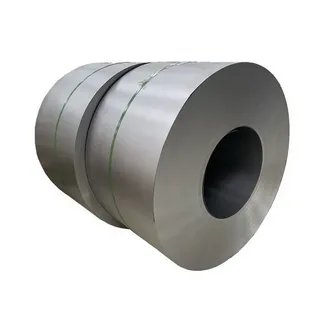
Stainless steel coils are essentially sheets in their continuous, wound form — produced in long lengths and wound into rolls for efficient storage, transport, and high-volume processing. Coils are the precursor to sheets and are the preferred supply format for manufacturers running stamping presses, roll-forming lines, or automated blanking operations. If sheets are pre-cut for convenience, coils are the uncut version for those who prioritize throughput and cost efficiency at scale.
Stainless Steel Thickness Comparison: Why It Matters More Than You Think
The stainless steel thickness comparison across sheets, plates, and coils isn’t just a dimensional specification — it determines which fabrication processes are viable, which mechanical properties are achievable, and which applications the material can reliably serve.
Sheets typically range from 0.3mm to under 3mm in thickness. This range accommodates everything from ultra-thin foil-like gauges used in electronic enclosures to heavier sheet gauges used in kitchen equipment and HVAC ducting. The thinner the sheet, the greater its flexibility and formability, but the lower its load-bearing capacity.
Plates begin where sheets end and extend upward with no practical upper limit for most industrial applications — commonly ranging from 3mm to 200mm and beyond for heavy engineering applications. A 50mm-thick stainless steel plate used in a pressure vessel carries structural demands that no sheet product could ever meet.
Stainless steel coils mirror sheet thicknesses but are produced in widths and lengths that make them the backbone of continuous manufacturing operations. Coil weight can range from a few hundred kilograms to several tonnes, and width specifications must align precisely with downstream equipment capabilities.
Understanding this stainless steel thickness comparison is what separates a knowledgeable buyer from one who simply orders by price per kilogram.
Stainless Steel Sheets Applications: Versatility Meets Precision
Ask any seasoned fabricator what their most frequently used flat product is, and the answer will almost always be sheet. The breadth of stainless steel sheet applications is genuinely remarkable.
Food and Beverage Processing Equipment
Industrial stainless steel sheets are the material of choice for work surfaces, splashbacks, enclosures, and process equipment in commercial kitchens and food manufacturing facilities. The smooth, non-porous surface resists bacterial adhesion and withstands aggressive cleaning agents — properties that are non-negotiable in hygiene-critical environments. Grade 304 sheet dominates this space, though facilities handling high-chloride cleaning protocols frequently specify Grade 316.
Architectural Cladding and Interior Design
Thin-gauge stainless steel sheets are extensively used in elevator interiors, wall cladding, signage, and decorative facades. The availability of multiple surface finishes — brushed, mirror-polished, embossed, or bead-blasted — gives architects a material that is as aesthetically flexible as it is durable. Unlike painted or coated materials, a stainless sheet facade requires minimal maintenance over its service life.
Automotive and Transportation
Body panels, exhaust heat shields, fuel tank liners, and railway carriage interiors all make use of stainless steel sheets. The combination of formability, corrosion resistance, and strength-to-weight ratio makes it a practical and long-lasting choice in transportation engineering.
Medical and Pharmaceutical Manufacturing
Surgical trays, sterilization equipment, and clean-room wall linings rely on industrial stainless steel sheets. Their resistance to repeated autoclaving and chemical sterilization, combined with their biocompatible surface, makes them indispensable in environments where contamination control is paramount.
Stainless Steel Plates Uses: When Strength Is Non-Negotiable
If sheets are the workhorse of light fabrication, stainless steel plates are the heavy lifters of structural and pressure-bearing applications. Here’s where thicker material earns its place.
Pressure Vessels and Storage Tanks
The chemical, oil and gas, and pharmaceutical industries depend on stainless steel plates for constructing pressure vessels, reactors, and large-volume storage tanks. These components must withstand internal pressure, thermal cycling, and corrosive media simultaneously — a combination that demands both material thickness and verified mechanical properties. Plates used in these applications are typically manufactured and tested to ASTM A240 or equivalent pressure vessel standards.
Structural and Marine Engineering
Offshore platforms, ship hulls, and structural brackets in corrosive marine environments call for thick stainless steel plates that can bear significant mechanical loads while resisting the relentless attack of seawater and salt-laden air. Grade 316L plate is widely specified in these contexts because of its superior chloride resistance.
Mining and Heavy Industrial Equipment
Chute liners, hopper walls, and crusher components in mining operations require materials that resist both abrasion and corrosion. High-strength stainless steel plates — sometimes in duplex grades — are specified for their ability to outlast carbon steel alternatives in abrasive, wet conditions.
Defense and Nuclear Applications
Certain defense infrastructure and nuclear containment structures incorporate stainless steel plates of specific grades and thicknesses, where traceability, chemistry control, and mechanical certification are as important as the material properties themselves.
Stainless Steel Coils Applications: The Engine of High-Volume Manufacturing
Stainless steel coils are where volume manufacturing begins. If you’re producing thousands of identical components, coil-fed production lines are not just more efficient — they’re the only economical way to operate at scale.
Stamping and Deep Drawing Operations
Automotive body components, kitchen sinks, cookware, and appliance housings are often produced through stamping or deep drawing — processes that demand a continuous, consistent feed of material. Stainless steel coil provides exactly that, with consistent thickness, surface finish, and mechanical properties across the entire length of the coil.
Roll Forming and Tube Making
Structural sections, roofing profiles, and welded tube are manufactured through roll-forming processes that consume coil material continuously. The economics are straightforward: the fewer interruptions in the feed, the lower the per-unit cost. Coil makes this possible in ways that pre-cut sheets simply cannot.
Cold Rolling and Precision Slitting
Coils are also the starting point for downstream processors who slit them into narrower widths or cold-roll them to tighter thickness tolerances for specialized applications. The flexibility of the coil format enables a level of downstream customization that supports a vast ecosystem of end-user requirements.
Stainless Steel Plate Grades: Choosing the Right Alloy for the Job
Material form is only half the equation. Stainless steel plate grades determine chemical resistance, mechanical performance, and weldability — and the wrong grade selection can be just as damaging as the wrong thickness.
Grade 304/304L is the standard starting point — offering good general corrosion resistance, excellent formability, and broad weldability. It handles most non-chloride environments reliably and is available in both sheet and plate form across a wide thickness range.
Grade 316/316L adds molybdenum to the alloy, delivering meaningfully improved resistance to chlorides and pitting. It is the go-to specification for marine, coastal, chemical processing, and pharmaceutical applications where 304 would fall short over time.
Duplex Grades (2205, 2507) offer a two-phase microstructure that delivers roughly twice the yield strength of standard austenitic grades alongside excellent corrosion resistance. These stainless steel plate grades are increasingly specified in oil and gas, desalination, and high-pressure piping systems where weight reduction and long service life are both priorities.
Grade 310/310S is the high-temperature specialist — used in furnace components, heat treatment equipment, and kiln furniture where oxidation resistance at temperatures exceeding 1000°C is required.
Matching the grade to the environment, the form to the fabrication process, and the thickness to the structural requirement is what precision material specification looks like in practice.
Making the Right Choice: A Framework for Fabricators
So how do you decide between stainless steel sheets vs plates vs coils for your next project? Ask yourself three questions.
First — what is the fabrication process? If you’re bending, pressing, or forming, sheet is your starting point. If you’re machining, welding structural sections, or building pressure-rated equipment, plate is the answer. If you’re running automated, high-volume production, coil is the format that makes your operation economically viable.
Second — what are the service conditions? Temperature extremes, chemical exposure, mechanical loads, and hygiene requirements all drive grade selection. Never default to 304 simply because it’s familiar. Understand the environment before specifying the material.
Third — what does your certification requirement demand? Many industries — petrochemical, nuclear, food processing, pharmaceutical — require material traceability and compliance with specific ASTM, EN, or JIS standards. Ensure your supplier can provide mill test reports and certified material documentation before you commit to a purchase order.
Get these three answers right, and the stainless steel sheets vs plates vs coils decision becomes straightforward rather than speculative.
Frequently Asked Questions: Stainless Steel Sheets vs Plates vs Coils — Differences and Applications
What Is the Core Difference Between Stainless Steel Sheets and Plates?
The difference between stainless steel sheets and plates is primarily defined by thickness, and that single distinction has significant implications for how each product is manufactured, handled, and applied in fabrication.
Stainless steel sheets are flat-rolled products with a thickness typically ranging from 0.4 mm to 6 mm. They are lighter, more flexible, and easier to form, cut, and weld, making them the preferred choice in applications where the material needs to be shaped, pressed, or bent into complex geometries. Stainless steel plates, on the other hand, are flat-rolled products with a thickness exceeding 6 mm — often going well beyond 100 mm in heavy industrial applications. Plates are engineered for structural integrity, load-bearing performance, and resistance to mechanical stress in ways that sheets are not designed to provide.
In practical terms, a sheet lines the interior of a food processing tank while a plate forms the structural wall of a pressure vessel. Both are stainless steel flat products, but their roles in fabrication are entirely different.
How Are Stainless Steel Coils Different from Sheets and Plates?
Stainless steel coils are essentially the same flat-rolled material as sheets, but supplied in a continuous wound format rather than cut to discrete lengths. Coils are the output form of the rolling mill before the material is slit, cut-to-length, or further processed into sheets or strips. They offer a continuous supply of material that feeds directly into automated stamping, roll-forming, tube-making, or progressive-die operations without the interruption of handling individual sheet blanks.
When comparing stainless steel sheets vs plates vs coils, coils occupy the high-volume, continuous-process end of the spectrum. They are not typically used in one-off fabrication or structural applications. Instead, stainless steel coil applications are concentrated in industries where large quantities of material are processed at high speed — automotive component manufacturing, kitchen equipment production, roofing and cladding systems, and pipe and tube manufacturing.
What Are the Standard Thickness Ranges for Each Product Form?
Stainless Steel Thickness Comparison — Sheets, Plates, and Coils
Understanding the stainless steel thickness comparison across these three product forms is essential for correct specification. While industry conventions can vary slightly by region and standard, the broadly accepted ranges are as follows:
Stainless steel sheets typically span thicknesses from 0.4 mm to 6 mm. Within this range, material under approximately 3 mm is often referred to as light gauge, while thicknesses approaching 6 mm are considered heavy gauge sheet. Stainless steel plates begin where sheets end — generally at 6 mm — and extend upward without a defined upper limit, though practical fabrication rarely exceeds 200 mm. Stainless steel coils mirror the thickness range of sheets, as coils are the precursor form from which sheets and strips are produced, typically ranging from 0.1 mm to 6 mm depending on the application.
Width also distinguishes these products. Sheets are supplied in discrete cut dimensions, coils in defined slit widths, and plates in wider, heavier formats that require different handling equipment altogether.
What Are the Most Common Stainless Steel Sheets Applications?
Food Processing and Catering Equipment
Stainless steel sheets applications in the food and beverage industry are extensive. Worktables, splashbacks, storage tanks, conveyor linings, oven interiors, and food preparation surfaces are all fabricated from stainless steel sheets — primarily in Grade 304 or 316L. The smooth, non-porous surface resists bacterial adhesion, tolerates aggressive cleaning chemicals, and maintains hygiene standards that regulatory bodies demand. The material’s formability means fabricators can press, fold, and weld sheets into virtually any configuration a kitchen or processing plant requires.
Architectural Cladding and Interior Design
Industrial stainless steel sheets are widely used in architectural applications, from elevator interiors and column cladding to decorative wall panels and ceiling tiles. Finishes ranging from mirror-polished to brushed, embossed, or colored PVD-coated surfaces give architects and designers a flexible, durable material that performs as well aesthetically as it does structurally. Grade 304 dominates interior applications, while coastal or exterior installations frequently specify Grade 316 for its superior chloride resistance.
Automotive and Transportation
Pressed and stamped stainless steel sheets form exhaust system components, trim panels, fuel tank linings, and rail vehicle interiors. The material’s combination of formability, weldability, and corrosion resistance makes it a natural fit for transportation environments where both aesthetics and longevity matter.
Pharmaceutical and Medical Equipment
Clean room environments, pharmaceutical processing equipment, and medical device housings all rely on stainless steel sheets. The material’s compatibility with sterilization processes, its non-reactive surface, and its ability to meet surface roughness specifications required by regulatory frameworks make it irreplaceable in these sectors.
What Are the Primary Stainless Steel Plates Uses in Industry?
Pressure Vessels and Storage Tanks
Stainless steel plates uses in pressure vessel fabrication represent one of the most technically demanding applications of the material. Pressure vessels for chemical storage, gas containment, and process reaction must withstand internal pressure, thermal cycling, and corrosive media simultaneously. Heavy-gauge plates — often in Grade 316L or duplex 2205 — are cut, rolled, and welded into cylindrical or spherical shells that must meet stringent ASME or PED pressure equipment standards. The thickness and mechanical integrity of plate material are what make this application possible.
Structural and Marine Construction
Offshore platforms, ship hulls, dock fittings, and marine structural components rely on stainless steel plates for their combination of structural strength and resistance to seawater corrosion. Duplex and super duplex grades are increasingly specified in offshore structural applications where the consequences of corrosion-related failure are severe. On land, stainless steel plates are used in bridges, walkways, and structural supports in aggressive industrial environments.
Mining and Heavy Processing Equipment
In mining, mineral processing, and bulk material handling, stainless steel plates form the wear-resistant linings of chutes, hoppers, and processing vessels. The material must resist abrasion, impact, and the corrosive action of process slurries. Martensitic and ferritic grades with higher hardness are sometimes specified for wear-facing applications, while austenitic grades dominate where corrosion resistance is the priority.
Heat Exchangers and Boiler Components
Thick stainless steel plates are fabricated into the tube sheets, baffles, and shell components of heat exchangers. These components must maintain their mechanical properties at elevated temperatures, resist process-side corrosion, and withstand the differential pressures inherent in heat transfer service. Grade 321 and Grade 347 plates, with their titanium and niobium stabilization respectively, are preferred in high-temperature heat exchanger applications.
What Are the Key Stainless Steel Coils Applications?
Tube and Pipe Manufacturing
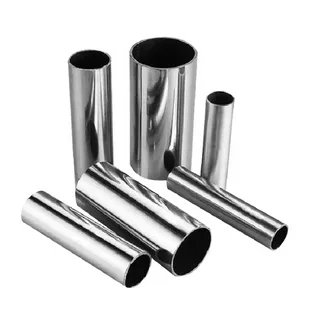
A significant volume of stainless steel coil applications feeds directly into the tube and pipe manufacturing sector. Coil strip is continuously fed through forming rolls, shaped into a tubular profile, and seam-welded to produce welded stainless steel tubes in a highly efficient, continuous process. The consistency of coil material — uniform thickness, controlled width, stable mechanical properties — is critical to producing tubes that meet dimensional and quality standards.
Stamped and Deep-Drawn Components
Automotive fuel system components, kitchen sinks, cookware, and sanitary fittings are all produced by stamping or deep-drawing stainless steel coil material. The continuous coil format feeds progressive-die stamping lines that produce thousands of components per shift with minimal material waste. For this application, the coil’s elongation properties, surface finish, and thickness consistency are carefully specified to ensure that the forming process produces defect-free components.
Roofing, Cladding, and Rainwater Systems
Standing seam stainless steel roofing systems and architectural cladding panels are produced from coil material, roll-formed into the required profile on-site or in the fabricator’s facility. The coil format eliminates the handling complexity of individual sheets in continuous roll-forming operations and allows long, uninterrupted panel lengths to be produced efficiently.
Strip for Spring and Precision Components
Narrow-slit stainless steel coil strip feeds the production of springs, clips, fasteners, and precision stampings used in electronics, medical devices, and mechanical assemblies. The tight dimensional tolerances and controlled mechanical properties of cold-rolled coil strip are essential in these applications, where component performance is directly dependent on material consistency.
What Are the Main Stainless Steel Plate Grades Used in Fabrication?
Grade 304 and 304L
Grade 304 is the most commonly specified stainless steel plate grade for general fabrication. Its 18% chromium and 8% nickel composition delivers reliable corrosion resistance, good weldability, and solid mechanical properties across a wide range of applications. The low-carbon variant, 304L, is specified when welding is involved and inter-granular corrosion in the heat-affected zone must be prevented without post-weld heat treatment.
Grade 316 and 316L
Where chloride environments, acid exposure, or elevated temperatures are involved, Grade 316 and its low-carbon variant 316L are the standard specification. The molybdenum addition (2–3%) significantly improves pitting and crevice corrosion resistance, making these stainless steel plate grades essential in chemical processing, marine, and pharmaceutical fabrication.
Duplex Grade 2205
Duplex 2205 offers approximately twice the yield strength of standard austenitic grades while maintaining excellent resistance to stress corrosion cracking and pitting. It is increasingly specified for pressure vessels, heat exchangers, and offshore structural components where both strength and corrosion resistance are critical, and where reducing wall thickness — and therefore weight — carries design or cost advantages.
Grade 321 and 347
These stabilized austenitic grades are specified for high-temperature plate applications where the risk of sensitization during welding or prolonged elevated-temperature service must be managed. The titanium stabilization in 321 and the niobium stabilization in 347 prevent carbide precipitation at grain boundaries, preserving corrosion resistance in the heat-affected zones of welds and in components subjected to continuous high-temperature service.
How Do Surface Finishes Differ Across Stainless Steel Sheets, Plates, and Coils?
Surface finish is a specification dimension that varies considerably across the three product forms and directly affects both the material’s performance and its suitability for specific applications.
Stainless steel sheets are available in the widest range of finishes — from the standard No. 1 (hot-rolled, annealed, and pickled) through to the highly reflective No. 8 mirror finish. Common intermediate finishes include No. 2B (the standard cold-rolled finish for most industrial and architectural sheet applications), No. 2D (a slightly duller cold-rolled finish suited to applications where forming follows), and brushed or directional finishes (No. 3 and No. 4) widely used in catering equipment and architectural applications.
Stainless steel plates are most commonly supplied in the No. 1 finish — hot-rolled, annealed, and descaled — as the primary purpose of plate is structural or pressure-retaining rather than aesthetic. Further finishing can be applied where the application demands it, but it adds cost and lead time.
Stainless steel coils are predominantly supplied in the 2B or 2D cold-rolled finish, reflecting their role as feedstock for forming operations where a consistent, smooth surface is important both for the forming process and for the appearance of the finished component.
How Does Arham Alloys Supply Stainless Steel Sheets, Plates, and Coils?
Arham Alloys brings the same commitment to precision and quality to its flat product range that defines every aspect of its manufacturing operation. State-of-the-art production facilities and stringent quality assurance protocols ensure that every sheet, plate, and coil dispatched meets the dimensional, mechanical, and surface quality requirements of the application it is destined for.
The manufacturing process begins with carefully selected raw materials that conform to international composition standards. Whether the requirement is for a cold-rolled sheet in a specific surface finish, a heavy plate in a duplex grade, or a coil slit to a precise width for a continuous forming operation, Arham Alloys has the capability to deliver the exact specification the project demands. With a comprehensive product range and the technical expertise to advise on grade selection, thickness specification, and applicable standards, Arham Alloys serves as a single, reliable source for manufacturers who cannot afford to compromise on material quality.
How Should Fabricators Decide Between Stainless Steel Sheets, Plates, or Coils?
The decision between stainless steel sheets vs plates vs coils should be driven by three primary factors: the required thickness and mechanical performance, the volume and format of material required, and the downstream fabrication process.
If the application requires forming, pressing, or welding of relatively thin material in discrete pieces, sheets are the correct specification. If the application demands structural integrity, high mechanical strength, or pressure containment at significant thickness, plates are the appropriate product. And if the production process is continuous — stamping, roll-forming, tube-making, or slitting — coils eliminate handling inefficiencies and reduce material waste in ways that sheet supply cannot match.
When in doubt, share the application details and production process with your material supplier. A technically capable supplier will quickly identify the most appropriate product form, grade, and specification — and that conversation is almost always worth having before committing to a procurement decision.