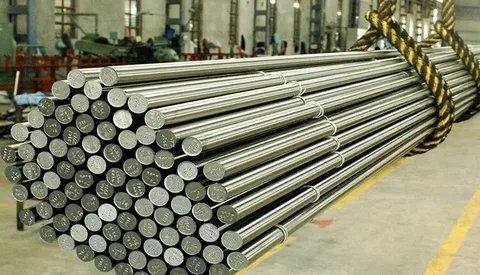
Steel is one of the most widely used materials in modern engineering, construction, manufacturing, and infrastructure. From skyscrapers and bridges to automobiles and machinery, steel plays a critical role in shaping the world around us. One of the most important physical properties that engineers and designers rely on is the density of steel.
Understanding the density of steel helps determine weight, strength, load-bearing capacity, material selection, and cost efficiency. In this blog, we will explore what is the density of steel, the density of steel formula, values by different steel types, and why steel density matters in engineering applications.
What Is the Density of Steel?
Understanding What Is the Density of Steel
Density is defined as the mass of a material per unit volume. In simple terms, it tells us how much material is packed into a given space. When we ask what is the density of steel, we are referring to how heavy steel is for a specific volume.
Steel is an alloy primarily composed of iron and carbon, with small amounts of other elements depending on the grade. Because of its atomic structure and composition, steel has a relatively high density compared to many other construction materials.
Standard Density of Steel Value
The commonly accepted density of steel is:
- 7,850 kg/m³
- 7.85 g/cm³
- 7.85 × 10⁻⁶ kg/mm³
This standard value is used in most engineering calculations unless a specific steel grade requires more precise data.
Density of Steel Formula and Units
Density of Steel Formula Explained
The density of steel formula is based on the general density equation:
Density = Mass ÷ Volume
Mathematically expressed as:
[
\text{Density of Steel} = \frac{\text{Mass of Steel}}{\text{Volume of Steel}}
]
This formula is fundamental in engineering and manufacturing when calculating material weight, transportation loads, and structural stresses.
Density of Steel in kg/mm³ and Other Units
Depending on the application, engineers use different units for density:
- Density of steel in kg/mm³:
7.85 × 10⁻⁶ kg/mm³ - Density of steel in kg/m³:
7,850 kg/m³ - Density of steel in g/cm³:
7.85 g/cm³
These unit conversions are especially useful when working with CAD software, machining calculations, and sheet metal fabrication.
Density of Carbon Steel
What Is the Density of Carbon Steel?
The density of carbon steel is very close to that of standard steel, as carbon content has a minimal effect on overall density. Carbon steel typically contains between 0.05% and 2.0% carbon by weight.
- Density of carbon steel:
7,850 kg/m³
Low-carbon, medium-carbon, and high-carbon steels all fall within a narrow density range, making carbon steel predictable and easy to work with for engineers.
Why Density of Carbon Steel Matters
The density of carbon steel is crucial in:
- Structural load calculations
- Manufacturing weight estimation
- Automotive and machinery design
- Cost and material optimization
Density of Mild Steel
Density of Mild Steel Explained
Mild steel is a low-carbon steel with excellent ductility, machinability, and weldability. It is one of the most commonly used materials in construction and fabrication.
- Density of mild steel:
7,850 kg/m³
Since mild steel has low carbon content (usually below 0.25%), its density remains consistent with standard steel values.
Applications Where Density of Mild Steel Is Critical
Understanding the density of mild steel is essential for:
- Structural beams and columns
- Reinforcement bars
- Sheet metal fabrication
- Automotive frames
Density of Steel Bar
How Density of Steel Bar Is Calculated
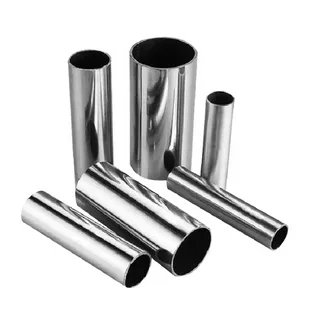
The density of steel bar is used to determine the weight of round bars, square bars, and reinforcement rods. While density remains constant, the weight varies based on shape and dimensions.
For example, weight calculation for a steel bar uses:
[
\text{Weight} = \text{Density of Steel} × \text{Volume of Steel Bar}
]
Common Steel Bar Density Applications
- Reinforced concrete structures
- Load-bearing frameworks
- Industrial machinery components
- Construction estimation and costing
Density of Sheet Metal
Density of Sheet Metal and Thickness Considerations
The density of sheet metal remains the same as bulk steel, but weight changes depending on thickness, width, and length.
- Density of steel sheet metal:
7,850 kg/m³
Sheet metal is widely used in automotive panels, roofing, enclosures, and appliances. Engineers rely on density values to calculate bending forces, material strength, and transportation weight.
Why Density of Sheet Metal Matters in Fabrication
- Accurate weight estimation
- Structural performance analysis
- Cost optimization
- Precision manufacturing
How to Calculate Steel Density
Step-by-Step Guide: How to Calculate Density of Steel
If you have a steel sample and need to calculate its density, follow these steps:
- Measure the mass of the steel using a weighing scale.
- Measure the volume using dimensions or water displacement.
- Apply the density of steel formula:
[
\text{Density} = \frac{\text{Mass}}{\text{Volume}}
]
This method is useful for verifying material properties or identifying unknown steel grades.
How to Calculate Density of Steel for Engineering Projects
In real-world engineering projects, density is often used in reverse to calculate weight:
[
\text{Weight} = \text{Density of Steel} × \text{Volume}
]
This approach is critical for structural design, shipping logistics, and material procurement.
Why Density of Steel Matters in Engineering
Structural Design and Load Calculations
The density of steel directly impacts the dead load of structures. Engineers must account for steel weight to ensure buildings, bridges, and machinery remain safe and stable.
Material Selection and Cost Efficiency
Knowing the density of carbon steel and density of mild steel helps engineers select the right material without overdesigning or wasting resources.
Manufacturing and Fabrication Accuracy
In machining, casting, and sheet metal work, density determines:
- Cutting forces
- Tool wear
- Handling and transport requirements
Transportation and Logistics
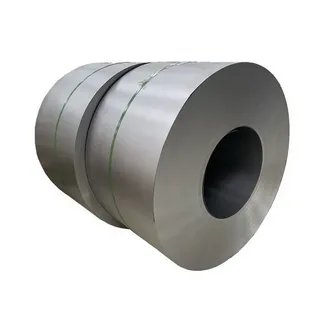
Steel density plays a key role in shipping calculations, crane capacities, and storage planning, especially for large steel bars and sheet metal coils.
Density of Steel Compared to Other Materials
Steel vs Aluminum Density
- Steel density: 7,850 kg/m³
- Aluminum density: 2,700 kg/m³
Steel is nearly three times denser than aluminum, making it stronger but heavier.
Steel vs Concrete Density
- Concrete density: ~2,400 kg/m³
Steel’s higher density explains its superior tensile strength and load-bearing capabilities.
Key Takeaways on Density of Steel
- The density of steel is approximately 7,850 kg/m³
- Density remains consistent across carbon steel, mild steel, bars, and sheet metal
- The density of steel formula is mass divided by volume
- Understanding density is essential for engineering, construction, and manufacturing
- Accurate density calculations improve safety, efficiency, and cost control
Conclusion
The density of steel is a fundamental property that influences nearly every aspect of engineering and manufacturing. Whether you are calculating the weight of a steel bar, designing a structural frame, or working with sheet metal, knowing what is the density of steel and how to calculate density of steel ensures accuracy and reliability.
From the density of carbon steel to the density of mild steel, this property remains remarkably consistent, making steel a predictable and trusted material across industries. By understanding steel density and its applications, engineers and designers can create safer, stronger, and more efficient structures that stand the test of time.
Frequently Asked Questions (FAQs) on Density of Steel
1. What is the density of steel?
The density of steel is the mass of steel per unit volume. The standard and most commonly accepted value is 7,850 kg/m³, which is equivalent to 7.85 g/cm³ or 7.85 × 10⁻⁶ kg/mm³. This value is widely used in engineering, construction, and manufacturing calculations.
2. What is the density of steel in kg/mm³?
The density of steel in kg/mm³ is 7.85 × 10⁻⁶ kg/mm³. This unit is especially useful in precision engineering, machining, and CAD design where measurements are often taken in millimeters.
3. What is the density of carbon steel?
The density of carbon steel is approximately 7,850 kg/m³. Carbon steel contains varying amounts of carbon, but these variations have very little effect on density, making carbon steel reliable for structural and mechanical applications.
4. What is the density of mild steel?
The density of mild steel is also 7,850 kg/m³. Mild steel is a low-carbon steel known for its ductility and weldability, and its consistent density makes it ideal for construction, fabrication, and automotive applications.
5. Does the density of steel change with type or grade?
In most cases, the density of steel does not change significantly with type or grade. Whether it is carbon steel, mild steel, or structural steel, the density remains close to 7,850 kg/m³, with only minor variations due to alloying elements.
6. What is the density of steel bar?
The density of steel bar is the same as bulk steel, which is 7,850 kg/m³. However, the weight of a steel bar depends on its shape (round, square, or rectangular) and dimensions, not the density itself.
7. What is the density of sheet metal?
The density of sheet metal made from steel is 7,850 kg/m³. While density remains constant, the total weight of sheet metal varies based on thickness, width, and length, which is critical in fabrication and transportation planning.
8. What is the density of steel formula?
The density of steel formula is:
[
\text{Density} = \frac{\text{Mass}}{\text{Volume}}
]
This formula is used to calculate steel density when mass and volume are known or to determine weight when density and volume are given.
9. How to calculate steel density accurately?
To understand how to calculate steel density, measure the mass of the steel using a scale and determine its volume using physical dimensions or water displacement. Then apply the density of steel formula:
[
\text{Density} = \frac{\text{Mass}}{\text{Volume}}
]
This method is commonly used in laboratories and material testing.
10. How to calculate density of steel for construction and engineering projects?
When learning how to calculate density of steel for engineering purposes, the density is usually predefined as 7,850 kg/m³. Engineers multiply this value by the volume of steel components to calculate weight, structural loads, and material requirements.