Low alloy steel plays a vital role in modern engineering and manufacturing due to its exceptional balance of strength, toughness, corrosion resistance, and cost-effectiveness. Unlike carbon steel, low alloy steel contains small but carefully controlled amounts of alloying elements that significantly enhance its performance in demanding environments.
From automotive and construction to oil & gas and power generation, low alloy steel grades are widely used where higher mechanical strength and durability are required without the high cost of stainless steel. This blog provides a comprehensive overview of low alloy steel composition, mechanical properties, heat treatment, and industrial applications, helping engineers, manufacturers, and students understand why this material is so widely adopted.
What Is Low Alloy Steel?
Low alloy steel is a category of steel that contains less than 8% total alloying elements by weight, in addition to iron and carbon. These alloying elements—such as chromium, molybdenum, nickel, manganese, and vanadium—are added in small quantities to improve strength, hardness, wear resistance, corrosion resistance, and toughness.
Compared to plain carbon steel, low alloy steel offers superior mechanical performance, especially under high stress, temperature variations, and cyclic loading conditions.
Low Alloy Steel Composition and Alloying Elements
Low Alloy Steel Composition Explained
The low alloy steel composition typically includes carbon (0.05%–0.30%) along with selected alloying elements. Each element plays a specific role in tailoring the steel’s properties.
Key Alloying Elements in Low Alloy Steel
- Chromium (Cr): Improves hardness, corrosion resistance, and wear resistance
- Nickel (Ni): Enhances toughness and impact strength, especially at low temperatures
- Molybdenum (Mo): Increases high-temperature strength and creep resistance
- Manganese (Mn): Improves hardenability and tensile strength
- Vanadium (V): Refines grain structure and increases fatigue resistance
- Silicon (Si): Improves strength and oxidation resistance
The precise low alloy steel composition varies depending on the application and the specific grade.
Low Alloy Steel Grades and Classification
Common Low Alloy Steel Grades Used Worldwide
Low alloy steel grades are standardized by organizations such as ASTM, AISI, SAE, EN, and IS. These standards define chemical composition, mechanical properties, and suitable applications.
Popular Low Alloy Steel Grades
- AISI 4130: Chromium-molybdenum steel used in aerospace and automotive parts
- AISI 4140: High-strength alloy steel for shafts, gears, and structural components
- ASTM A387: Pressure vessel steel for high-temperature service
- EN 42CrMo4: Widely used in European engineering applications
- IS 8500 Grades: Indian standard low alloy structural steels
Each of these low alloy steel grades is engineered to meet specific performance requirements, making grade selection critical in industrial applications.
Mechanical Properties of Low Alloy Steel
Mechanical Properties of Low Alloy Steel Explained
The mechanical properties of low alloy steel are significantly superior to those of carbon steel due to the presence of alloying elements and controlled heat treatment.
Key Mechanical Properties
- High tensile strength: Typically ranges from 600 MPa to over 1000 MPa
- Improved yield strength: Suitable for load-bearing structures
- Excellent toughness: Performs well under impact and shock loading
- Enhanced fatigue resistance: Ideal for cyclic stress applications
- Good wear resistance: Useful in moving and friction-intensive parts
These mechanical properties make low alloy steel suitable for heavy-duty and safety-critical components.
Low Alloy Steel Microstructure and Heat Treatment
Heat Treatment of Low Alloy Steel
The performance of low alloy steel grades is heavily influenced by heat treatment processes such as:
- Annealing: Improves ductility and machinability
- Normalizing: Refines grain structure for uniform strength
- Quenching and tempering: Enhances hardness and toughness balance
- Carburizing: Improves surface hardness while maintaining core toughness
Microstructure of Low Alloy Steel
Depending on heat treatment, low alloy steel can exhibit microstructures such as ferrite-pearlite, bainite, or tempered martensite. These microstructures directly impact strength, hardness, and fatigue life.
Advantages of Low Alloy Steel Over Carbon Steel
Why Choose Low Alloy Steel?
The advantages of low alloy steel make it a preferred material across industries:
- Higher strength-to-weight ratio
- Better corrosion and oxidation resistance
- Improved toughness at low and high temperatures
- Longer service life and reduced maintenance
- Cost-effective alternative to stainless steel
Because of these benefits, low alloy steel grades are often used where performance requirements exceed the limits of plain carbon steel.
Industrial Applications of Low Alloy Steel
Application of Low Alloy Steel in Construction
In construction and infrastructure projects, low alloy steel is used for:
- Bridges and high-rise structures
- Pressure vessels and storage tanks
- Structural beams and columns
Its high strength and toughness allow for lighter structures without compromising safety.
Low Alloy Steel Applications in Automotive and Transportation
The automotive industry relies heavily on low alloy steel grades for:
- Crankshafts and camshafts
- Gears and transmission components
- Axles and suspension parts
These components require excellent fatigue strength and impact resistance.
Low Alloy Steel Applications in Oil & Gas Industry
Low alloy steel is essential in oil and gas operations due to its resistance to high pressure and temperature:
- Drill collars and tubing
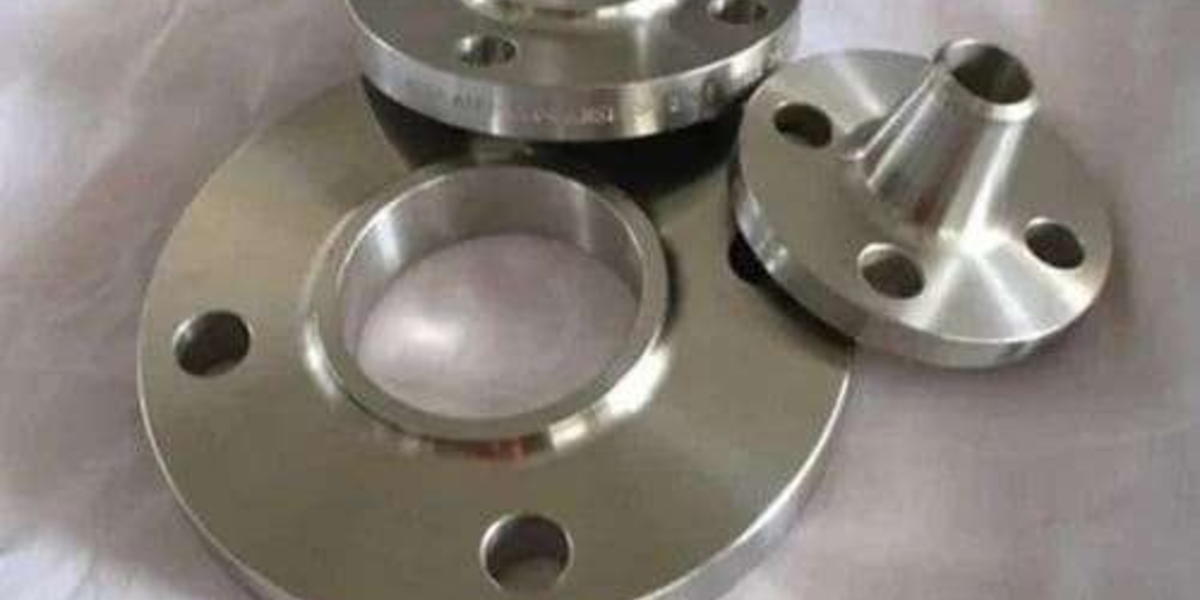
- Valves and flanges
- Pressure vessels and pipelines
Power Generation and Heavy Machinery Applications
In power plants and heavy equipment manufacturing, low alloy steel is used for:
- Turbine shafts
- Boiler components
- Heavy-duty gears and bearings
The mechanical properties of low alloy steel ensure reliability under continuous stress.
Weldability and Machinability of Low Alloy Stee
Weldability of Low Alloy Steel Grades
While many low alloy steel grades are weldable, proper procedures must be followed:
- Preheating to prevent cracking
- Controlled cooling rates
- Post-weld heat treatment when necessary
Machinability Considerations
Low alloy steel generally has moderate machinability. Heat-treated grades may require specialized cutting tools and machining parameters.
Limitations of Low Alloy Steel
Despite its advantages, low alloy steel has some limitations:
- Lower corrosion resistance than stainless steel
- Requires precise heat treatment
- Higher cost than plain carbon steel
- Potential welding challenges
However, these limitations are often outweighed by its superior performance in demanding environments.
Future Trends in Low Alloy Steel Grades
With advancements in metallurgical engineering, modern low alloy steel grades are becoming stronger, lighter, and more sustainable. Ongoing research focuses on:
- Microalloyed steels with minimal alloy content
- Improved weldability and toughness
- Reduced environmental impact during production
These innovations ensure that low alloy steel will remain a cornerstone material in future industrial development.
Conclusion
Low alloy steel offers an exceptional combination of strength, toughness, and versatility, making it indispensable across industries. By carefully controlling low alloy steel composition and selecting appropriate low alloy steel grades, manufacturers can achieve superior mechanical performance at a reasonable cost.
From construction and automotive to oil & gas and power generation, the industrial applications of low alloy steel continue to expand. Understanding its mechanical properties, heat treatment processes, and advantages enables engineers and decision-makers to use this material more effectively and efficiently.
Below are 10 SEO-optimized, detailed FAQs tailored specifically for your blog on Low Alloy Steel. Each FAQ is written to improve search visibility, answer user intent clearly, and reinforce the primary keyword “low alloy steel grades” along with relevant secondary keywords.
1. What are low alloy steel grades?
Low alloy steel grades are steel classifications that contain small amounts of alloying elements such as chromium, nickel, molybdenum, manganese, and vanadium—typically less than 8% by weight. These grades are designed to provide improved mechanical properties like higher strength, better toughness, and enhanced wear resistance compared to plain carbon steel. Common low alloy steel grades include AISI 4130, AISI 4140, ASTM A387, and EN 42CrMo4.
2. How does low alloy steel composition differ from carbon steel?
The key difference lies in the low alloy steel composition, which includes carefully controlled alloying elements in addition to carbon and iron. While carbon steel relies mainly on carbon for strength, low alloy steel uses elements such as chromium and molybdenum to improve hardenability, fatigue resistance, and performance at high temperatures, making it suitable for demanding industrial applications.
3. What are the mechanical properties of low alloy steel?
The mechanical properties of low alloy steel include high tensile strength, excellent yield strength, improved toughness, and superior fatigue resistance. Depending on the grade and heat treatment, low alloy steel can achieve tensile strengths exceeding 1000 MPa, making it ideal for structural, automotive, and pressure vessel applications.
4. Which low alloy steel grades are most commonly used in industry?
Some of the most widely used low alloy steel grades include AISI 4140 for shafts and gears, AISI 4130 for aerospace and automotive components, ASTM A387 for pressure vessels, and EN 42CrMo4 for heavy machinery. Each grade is optimized for specific mechanical and environmental requirements.
5. What are the main industrial applications of low alloy steel?
Low alloy steel applications span multiple industries, including construction, automotive, oil and gas, power generation, and heavy engineering. It is commonly used in bridges, pressure vessels, pipelines, gears, crankshafts, turbines, and structural components where high strength and durability are critical.
6. How does heat treatment affect low alloy steel grades?
Heat treatment plays a crucial role in enhancing the performance of low alloy steel grades. Processes such as quenching and tempering improve hardness and toughness, while normalizing refines grain structure. Proper heat treatment allows manufacturers to tailor the mechanical properties of low alloy steel for specific applications.
7. Is low alloy steel corrosion resistant?
Low alloy steel offers better corrosion resistance than plain carbon steel due to alloying elements like chromium and nickel. However, it does not match the corrosion resistance of stainless steel. In corrosive environments, low alloy steel may require protective coatings or surface treatments to extend its service life.
8. What are the advantages of low alloy steel over carbon steel?
The main advantages of low alloy steel include higher strength-to-weight ratio, improved toughness, better fatigue resistance, and superior performance under high stress and temperature conditions. These benefits make low alloy steel grades more suitable for demanding engineering and industrial applications than conventional carbon steel.
9. Is low alloy steel easy to weld and machine?
Most low alloy steel grades are weldable and machinable, but they require controlled procedures. Preheating, post-weld heat treatment, and proper filler materials are often necessary to prevent cracking. Machinability depends on the grade and heat-treated condition, with softer conditions being easier to machine.
10. How do I choose the right low alloy steel grade for my application?
Selecting the right low alloy steel grade depends on factors such as required strength, operating temperature, corrosion exposure, weldability, and cost. Engineers must evaluate the mechanical properties, heat treatment options, and industry standards to ensure optimal performance and long-term reliability.