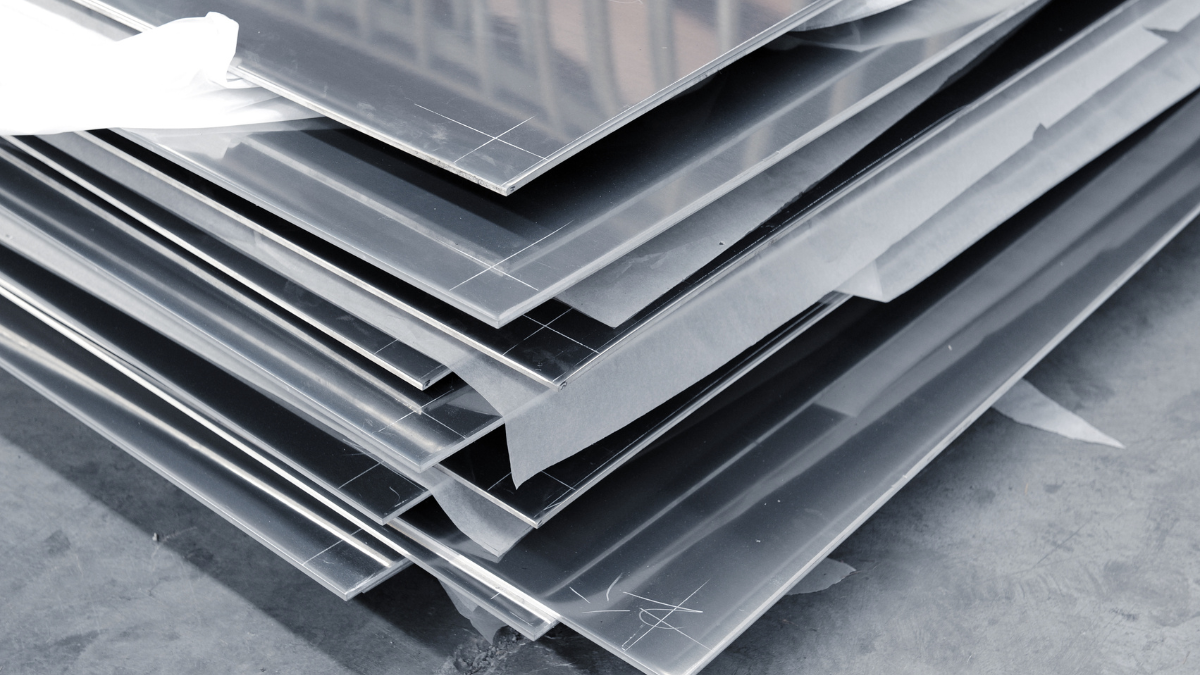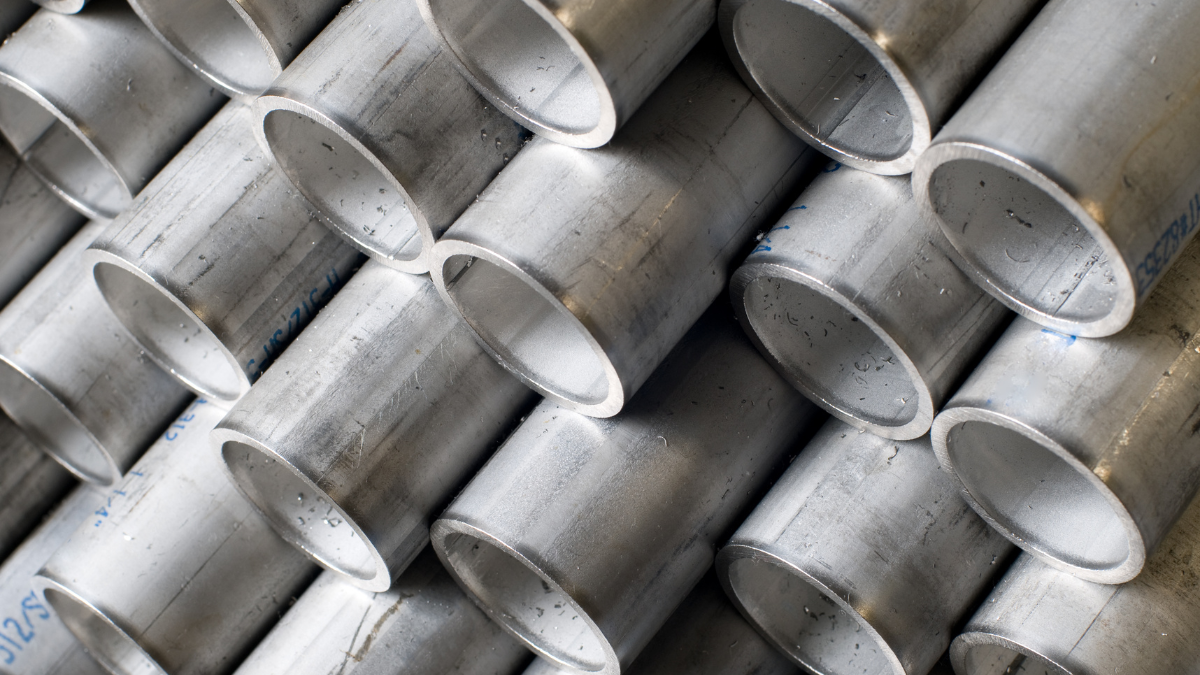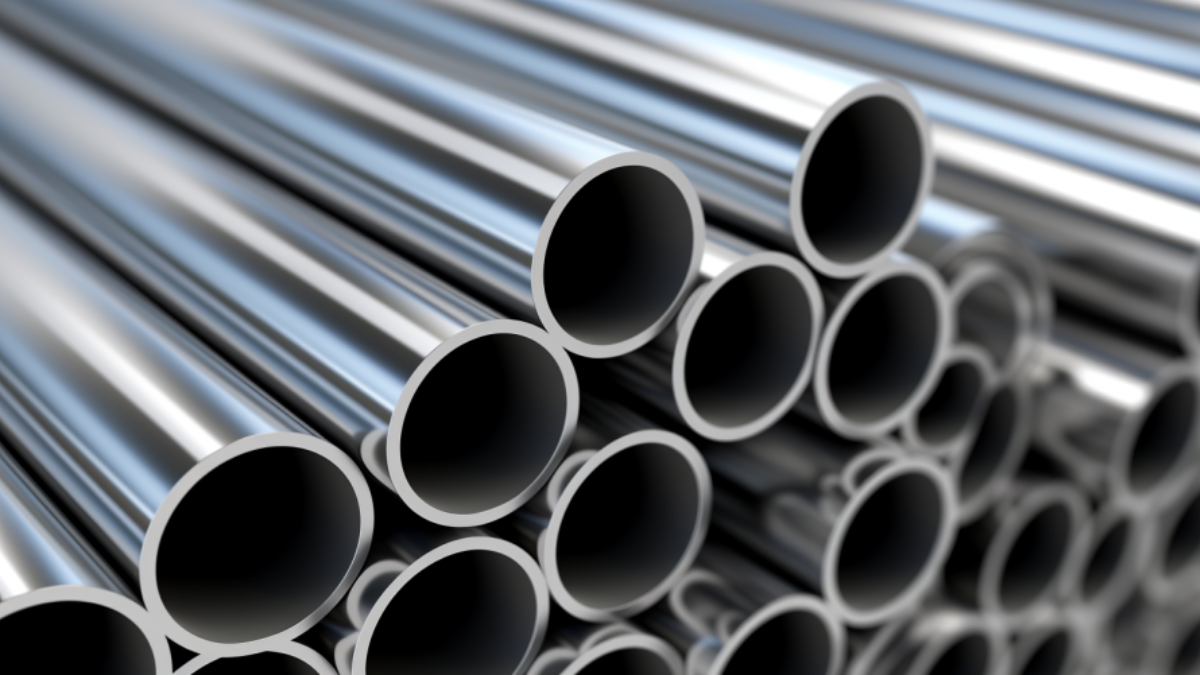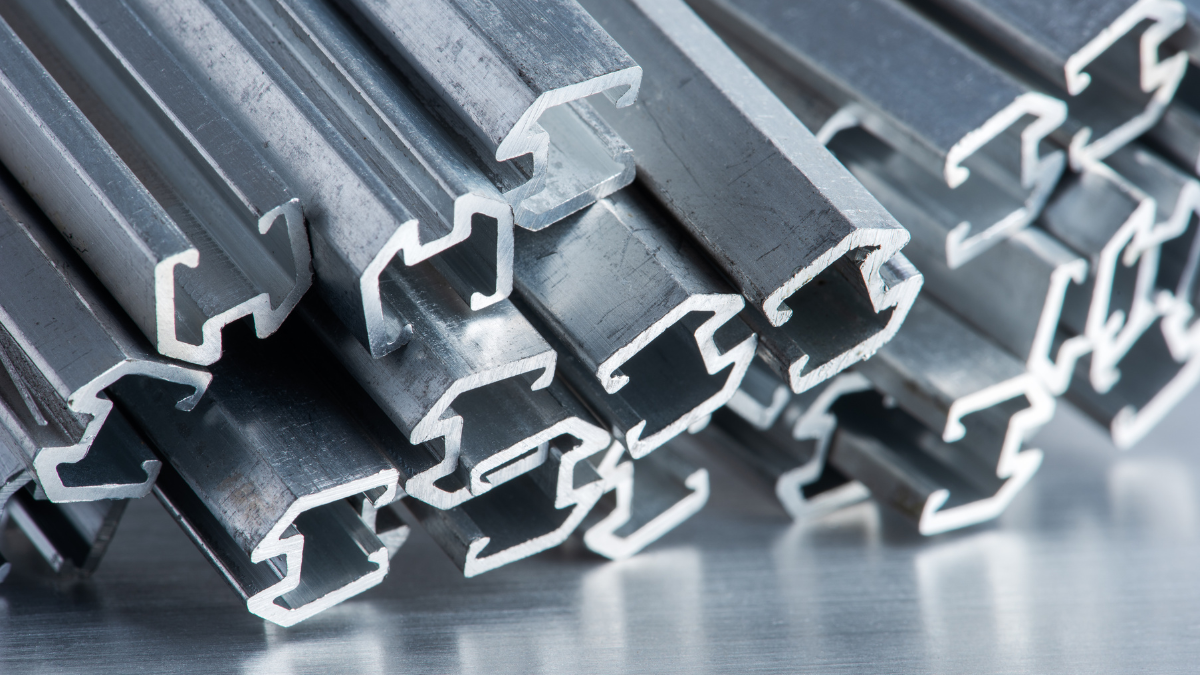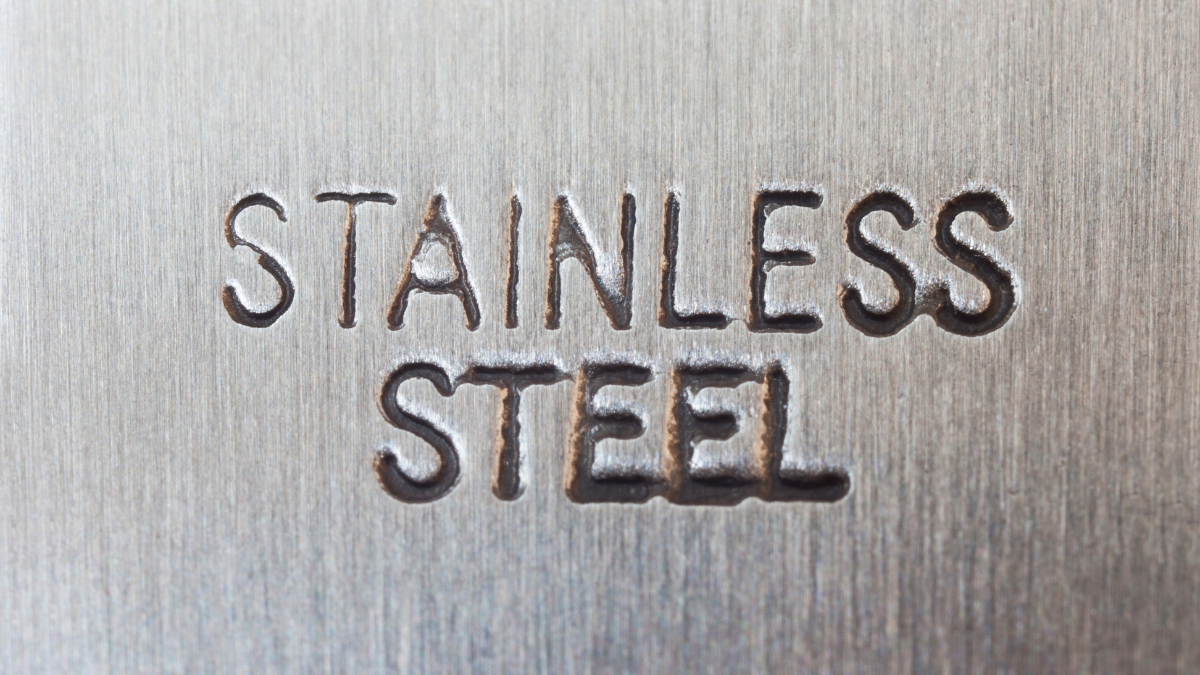
Steel is the backbone of modern civilization, and among its many forms, mild steel remains the most widely used and versatile material. From construction and manufacturing to automobiles and household items, mild steel plays a critical role in everyday life. To fully understand its importance, we must explore what is MS material, its structure, composition, properties, grades, and real-world applications.
This guide offers a complete breakdown of mild steel meaning, its mechanical and chemical characteristics, and why it remains indispensable across industries.
What Is Mild Steel? (Mild Steel Meaning Explained)
Mild steel, also known as low carbon steel, is a type of carbon steel containing a relatively low percentage of carbon. The percentage of carbon in mild steel typically ranges between 0.05% and 0.25%, making it softer, more ductile, and easier to work with than higher-carbon steels.
When people ask what is MS material, they are referring to this commonly used steel type valued for its balance of strength, machinability, and cost-effectiveness.
MS Material Full Form
The MS material full form is Mild Steel.
In engineering drawings, construction documents, and manufacturing specifications, mild steel is often abbreviated as MS material.
Mild Steel Composition and MS Chemical Composition
Mild Steel Composition
Understanding mild steel composition is essential to understanding its behavior. Mild steel is primarily composed of iron, with small quantities of carbon and other elements.
MS Chemical Composition (Typical)
- Iron (Fe): ~98%
- Carbon (C): 0.05% – 0.25%
- Manganese (Mn): 0.25% – 0.60%
- Silicon (Si): ≤ 0.30%
- Sulfur (S): ≤ 0.05%
- Phosphorus (P): ≤ 0.04%
The low percentage of carbon in mild steel is the key reason behind its excellent formability and weldability.
Mild Steel Structure and Types of Mild Steel
Mild Steel Structure
The mild steel structure mainly consists of ferrite with small amounts of pearlite. Ferrite gives mild steel its softness and ductility, while pearlite adds moderate strength.
Because of this structure, mild steel is easy to bend, roll, cut, and weld without cracking.
Types of Mild Steel
There are several types of mild steel, classified based on carbon content and application:
- Low Carbon Mild Steel – Extremely ductile and soft
- Medium Carbon Mild Steel – Slightly stronger with reduced ductility
- Structural Mild Steel – Used for beams, columns, and frames
- Cold Rolled Mild Steel – Smooth surface, tight tolerances
- Hot Rolled Mild Steel – Rough surface, cost-effective for construction
Each type is selected based on performance requirements and budget.
Carbon Steel Properties and Mild Steel Material Properties
Carbon Steel Properties
As a subset of carbon steel, mild steel inherits many fundamental carbon steel properties, including:
- Good tensile strength
- High ductility
- Moderate hardness
- Excellent weldability
- Good machinability
These properties make it suitable for a wide range of structural and mechanical applications.
Mild Steel Material Properties
The mild steel material properties that engineers value most include:
- Easy fabrication
- High impact resistance
- Cost-effectiveness
- Uniform performance
- Recyclability
These characteristics explain why MS material dominates industries worldwide.
Mechanical Properties of Steel: Mild Steel in Focus
Mechanical Properties of Steel
The mechanical properties of steel define how it behaves under force. Mild steel performs well in applications requiring flexibility and toughness rather than extreme hardness.
Tensile Strength of Mild Steel
The tensile strength of mild steel generally ranges between:
- 370 MPa to 550 MPa
Ultimate Tensile Strength of Mild Steel
The ultimate tensile strength of mild steel refers to the maximum stress it can withstand before breaking, typically around 400–550 MPa, depending on grade and heat treatment.
Other mechanical properties include:
- Yield Strength: 250–350 MPa
- Elongation: 20–30%
- Hardness: Low to medium
Mild Steel Grades and Standards
Mild Steel Grades
Different mild steel grades are standardized globally to ensure consistency and reliability.
Common Mild Steel Grades:
- ASTM A36 – Structural steel (USA)
- IS 2062 – Structural steel (India)
- EN S275 / S355 – European standards
- JIS SS400 – Japanese standard
Each grade varies slightly in chemical composition and mechanical strength to suit specific applications.
Mild Steel Uses Across Industries
Mild Steel Uses in Construction
Mild steel is widely used in:
- Structural beams and columns
- Reinforcement bars
- Bridges and industrial buildings
Mild Steel Uses in Manufacturing
In manufacturing, mild steel uses include:
- Automotive body panels
- Machinery components
- Storage tanks
- Pipes and tubes
Mild Steel Uses in Everyday Products
You will also find mild steel in:
- Furniture
- Fencing and gates
- Household tools
- Fasteners and bolts
Its versatility and affordability make it the first choice for mass production.
Difference Between Mild Steel and Stainless Steel
Understanding the difference between mild steel and stainless steel helps in material selection.
| Feature | Mild Steel | Stainless Steel |
| Carbon Content | Low | Varies |
| Chromium | Absent | ≥10.5% |
| Corrosion Resistance | Low | High |
| Cost | Low | High |
| Strength | Moderate | High |
| Maintenance | Requires coating | Minimal |
While stainless steel excels in corrosion resistance, mild steel remains unmatched in affordability and ease of fabrication.
Advantages and Limitations of MS Material
Advantages of Mild Steel
- Low cost
- Easy to weld and machine
- High ductility
- Widely available
- Good strength-to-weight ratio
Limitations of Mild Steel
- Poor corrosion resistance
- Requires painting or galvanizing
- Lower hardness compared to high-carbon steels
Despite its limitations, what is MS material often comes down to practicality, and mild steel delivers exceptional value.
Why Mild Steel Remains Essential Today
Even with the rise of advanced alloys and composites, mild steel remains irreplaceable. Its predictable behavior, consistent carbon steel properties, and adaptability make it a cornerstone of engineering and construction.
From skyscrapers to small tools, MS material continues to shape modern infrastructure and manufacturing.
Final Thoughts
Understanding what is mild steel, its composition, structure, mechanical properties, and uses provides clarity on why it dominates global industries. With balanced carbon steel properties, excellent machinability, and cost-efficiency, mild steel is truly the workhorse of metals.
Whether you’re an engineer, manufacturer, or student, knowing the mild steel meaning, mild steel grades, and tensile strength of mild steel helps you make informed material choices that balance performance and cost.
Frequently Asked Questions (FAQs) About Mild Steel
1. What is mild steel and what does MS material mean?
Mild steel is a type of low carbon steel that contains a small percentage of carbon, usually between 0.05% and 0.25%. When people ask what is MS material, they are referring to mild steel, which is widely used in construction, manufacturing, and engineering due to its strength, ductility, and affordability. The MS material full form is Mild Steel.
2. What is the percentage of carbon in mild steel?
The percentage of carbon in mild steel typically ranges from 0.05% to 0.25%. This low carbon content is responsible for mild steel’s excellent weldability, flexibility, and ease of machining, which are key carbon steel properties that differentiate it from high-carbon steels.
3. What is the mild steel composition and MS chemical composition?
The mild steel composition mainly consists of iron with small amounts of carbon and trace elements. The standard MS chemical composition includes:
- Iron (Fe): ~98%
- Carbon (C): 0.05%–0.25%
- Manganese (Mn): up to 0.60%
- Silicon (Si): up to 0.30%
- Sulfur and Phosphorus: in very small quantities
This balanced composition gives mild steel reliable mechanical performance.
4. What are the key mild steel material properties?
The most important mild steel material properties include high ductility, moderate strength, good toughness, and excellent machinability. These properties allow mild steel to be easily cut, bent, welded, and formed, making it one of the most versatile MS materials available.
5. What are the mechanical properties of steel in mild steel?
The mechanical properties of steel, specifically for mild steel, include:
- Yield strength: 250–350 MPa
- Tensile strength of mild steel: 370–550 MPa
- High elongation and impact resistance
- Low hardness compared to alloy steels
These properties make mild steel suitable for structural and load-bearing applications.
6. What is the tensile strength and ultimate tensile strength of mild steel?
The tensile strength of mild steel generally falls between 370 MPa and 550 MPa, depending on the grade. The ultimate tensile strength of mild steel represents the maximum stress it can withstand before failure and typically lies within the same range, making it strong yet flexible.
7. What are the different types of mild steel?
There are several types of mild steel, classified by carbon content and processing method. These include:
- Low carbon mild steel
- Structural mild steel
- Cold-rolled mild steel
- Hot-rolled mild steel
Each type is designed to meet specific industrial and construction needs.
8. What are common mild steel grades used worldwide?
Popular mild steel grades include ASTM A36, IS 2062, EN S275, and JIS SS400. These grades differ slightly in chemical composition and strength but all maintain the fundamental carbon steel properties that make mild steel reliable and cost-effective.
9. What are the most common mild steel uses?
Mild steel uses span across industries such as construction, automotive manufacturing, machinery production, and household goods. Common applications include beams, columns, pipes, automotive panels, tools, and fencing due to the adaptability of MS material.
10. What is the difference between mild steel and stainless steel?
The main difference between mild steel and stainless steel lies in corrosion resistance and alloying elements. Mild steel has low carbon and no chromium, making it affordable but prone to rust. Stainless steel contains chromium, offering superior corrosion resistance but at a higher cost. The choice depends on performance requirements and budget.