In the modern industrial world, the foundation of quality, safety, and consistency lies in standardized practices. One such globally recognized system is ASTM standards, which serve as the backbone for ensuring uniformity in materials, products, systems, and services. From construction and manufacturing to metallurgy and chemical testing, ASTM standards play a crucial role in defining the specifications that industries follow to maintain reliability and performance.
This comprehensive guide explains what is ASTM standard, how these standards function, and why they are vital across industries.
ASTM Standards Full Form and Overview
Before diving deeper, let’s start with the ASTM standards full form. ASTM stands for American Society for Testing and Materials. Established in 1898, ASTM International is one of the world’s largest organizations for developing voluntary consensus standards.
ASTM standards define and set the technical benchmarks for materials, products, systems, and testing methods to ensure consistency and quality worldwide. Today, there are over 12,000+ ASTM standards used globally in industries such as oil and gas, construction, metal manufacturing, and consumer goods.
What Is ASTM Standard and Why Is It Important?
So, what is ASTM standard and why does it matter? Simply put, an ASTM standard is a document that outlines specific technical criteria for producing, testing, and using materials and products.
These standards are developed through a consensus-based process involving manufacturers, consumers, researchers, and government agencies. Each ASTM standard ensures that a product or material performs safely and efficiently under given conditions.
The importance of ASTM standards includes:
- Quality Assurance: Ensures materials meet consistent quality requirements.
- Safety Compliance: Prevents accidents and material failures.
- Global Compatibility: Encourages uniform trade practices worldwide.
- Innovation Support: Provides a foundation for developing new materials and technologies.
When products adhere to ASTM material standards, industries gain confidence that their materials will behave predictably, reducing risks and ensuring long-term performance.
The Role of ASTM Material Standards in Industry
ASTM material standards are at the core of industrial manufacturing and engineering. These standards define the chemical composition, mechanical properties, and testing procedures for materials such as steel, aluminum, copper, and plastics.
For example:
- ASTM A105 covers forged carbon steel piping components.
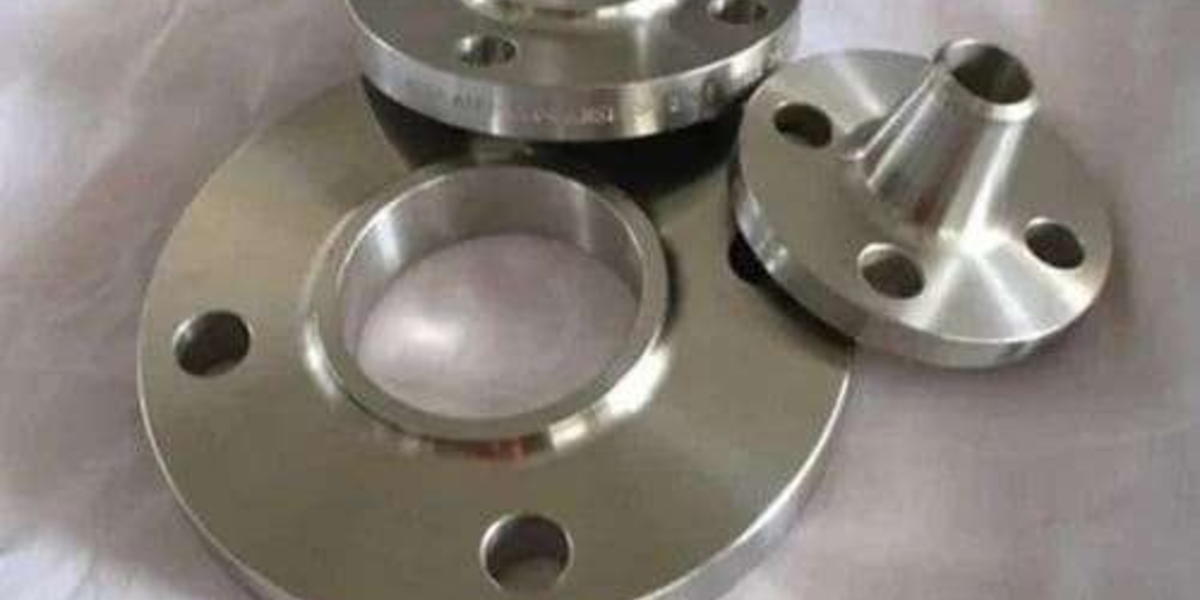
- ASTM A182 specifies alloy and stainless steel flanges and fittings.
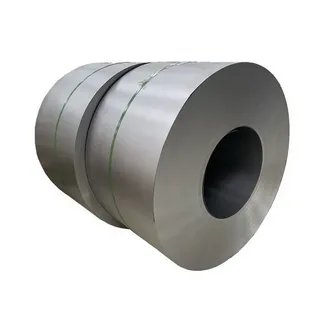
- ASTM A240 defines chromium and chromium-nickel stainless steel plate, sheet, and strip.
Manufacturers and suppliers across industries rely on ASTM material standards to guarantee that materials used in production conform to the highest global quality norms.
Whether you are manufacturing flanges, fittings, valves, or fasteners, adherence to ASTM standards ensures your products are safe, consistent, and reliable.
The Structure and Classification of ASTM Standards
Each ASTM standard follows a structured format that makes it easy to identify and use. The ASTM standards list is organized into sections based on material types and applications.
Some common classifications include:
- ASTM A Series: Ferrous metals such as steel and iron.
- ASTM B Series: Non-ferrous metals such as copper, aluminum, and nickel.
- ASTM C Series: Cement, concrete, and ceramics.
- ASTM D Series: Plastics, rubber, and petroleum products.
- ASTM E Series: Miscellaneous materials, including test methods.
The ASTM standards list is regularly updated to reflect technological advancements, ensuring relevance and global competitiveness. This dynamic structure allows industries to rely on ASTM standards as a dependable quality reference.
How ASTM Standards Are Developed
The process of developing ASTM standards is both democratic and meticulous. It involves collaboration among stakeholders across the industry, academia, and government. The steps generally include:
- Proposal Submission: Anyone can propose a new standard or revision.
- Committee Formation: A specialized committee reviews the proposal.
- Draft Development: The committee drafts the standard based on research and testing.
- Public Review: The draft is circulated among members for feedback.
- Ballot Voting: Members vote to approve, revise, or reject the standard.
- Publication: Once approved, the standard is officially released as part of the ASTM standards list.
This consensus-driven process ensures that ASTM material standards reflect practical, technical, and scientific insights from global experts.
The Significance of ASTM Standards in Global Trade
The adoption of ASTM standards has enabled global industries to maintain uniformity and transparency in trade. When products conform to ASTM material standards, they automatically meet internationally recognized specifications — reducing the need for repetitive testing and certification.
For example, a manufacturer in India can produce forged pipe fittings that comply with ASTM A105, and those products will be accepted in the U.S., Europe, or the Middle East without additional testing.
This interoperability provided by ASTM standards ensures that products meet the same performance expectations, regardless of where they are made or used.
ASTM Standards and Quality Assurance
In sectors like oil and gas, aerospace, automotive, and construction, ASTM standards serve as the foundation for quality assurance programs. Adherence to these standards ensures that every batch of material meets strict performance criteria.
For instance:
- Manufacturers: Use ASTM material standards to source raw materials and evaluate supplier quality.
- Testing Labs: Follow ASTM standards list protocols to ensure uniform test results.
- Engineers: Refer to ASTM standards while designing and validating components.
By following ASTM standards, manufacturers maintain high credibility, minimize defects, and guarantee customer satisfaction.
Examples from the ASTM Standards List
The ASTM standards list covers a wide range of industrial materials and processes. Some notable examples include:
- ASTM A53: Standard specification for seamless and welded steel pipes.
- ASTM A106: Standard for carbon steel pipes for high-temperature service.
- ASTM A234: Standard for wrought carbon and alloy steel fittings.
- ASTM A403: Standard for stainless steel pipe fittings.
- ASTM B564: Standard for nickel alloy flanges and fittings.
These ASTM material standards ensure that metal products like flanges, fittings, and valves are safe, durable, and corrosion-resistant — qualities essential in industries like power generation and chemical processing.
Benefits of Following ASTM Standards
Adhering to ASTM standards offers multiple benefits for manufacturers, suppliers, and end-users alike:
- Consistency in Quality: Every product meets uniform specifications.
- Enhanced Safety: Reduces the risk of failures and accidents.
- International Recognition: Products adhering to ASTM material standards are globally accepted.
- Efficient Communication: Clear guidelines reduce ambiguity in technical documentation.
- Improved Credibility: Demonstrates a company’s commitment to global quality norms.
For companies like Arham Alloys, following ASTM standards ensures that every product matches the highest level of excellence and performance.
Difference Between ASTM Standards and Other Standards
While ASTM standards are among the most widely recognized globally, other standard organizations like ISO (International Organization for Standardization) and EN (European Norms) also exist.
However, ASTM material standards are particularly preferred in industries involving metals, chemicals, and construction materials because of their detailed specifications, extensive testing methods, and industry relevance.
Manufacturers often combine ASTM standards with ISO or EN standards to ensure products meet multiple regional requirements.
How ASTM Standards Support Innovation
The dynamic nature of ASTM standards makes them an essential tool for innovation. As new materials and technologies emerge, ASTM committees continuously revise and expand the ASTM standards list to include them.
This adaptability ensures that researchers and engineers have up-to-date frameworks to test and validate their innovations safely and consistently. For example, new standards now cover areas like additive manufacturing, nanomaterials, and sustainable construction materials.
By aligning with ASTM material standards, industries can accelerate product development while maintaining global compliance.
Conclusion: Arham Alloys — Committed to ASTM Standards
ASTM standards have become the universal language of quality, guiding industries in ensuring product reliability, safety, and global compatibility. They bring order, transparency, and trust to the world of manufacturing and trade.
Whether you’re evaluating materials or ensuring compliance, following ASTM material standards guarantees consistency across every step of production.
At Arham Alloys, every product — from flanges and fittings to pipes and fasteners — is manufactured strictly in accordance with ASTM standards. This unwavering commitment ensures that customers receive products that not only meet but exceed international expectations.
FAQs Related to ASTM Standards
1. What is the ASTM standard?
ASTM standard refers to a set of internationally recognized technical specifications developed by the American Society for Testing and Materials. These standards define the quality, performance, and testing methods of various materials, ensuring they meet specific safety and durability requirements across industries such as construction, metal manufacturing, and engineering.
2. What is the full form of ASTM standards?
The ASTM standards full form is American Society for Testing and Materials. Founded in 1898, this organization develops voluntary standards that ensure materials and products are reliable, consistent, and safe for global use. Today, it operates under the name ASTM International.
3. Why are ASTM standards important?
ASTM standards are crucial because they provide uniformity and consistency in material testing, manufacturing, and performance evaluation. They help engineers, manufacturers, and quality inspectors maintain high standards in product quality and ensure compliance with international benchmarks.
4. Who develops ASTM standards?
ASTM standards are developed by committees of industry experts, engineers, scientists, and manufacturers. Each standard goes through an open, transparent process that includes drafting, review, and voting before it is officially published by ASTM International.
5. What is included in the ASTM standards list?
The ASTM standards list includes over 12,000 active standards covering areas such as metals, plastics, construction materials, textiles, petroleum products, and consumer goods. Each standard has a unique code (e.g., ASTM A105 for carbon steel forged fittings) that defines specific requirements for that material or product.
6. What are ASTM material standards?
ASTM material standards specify the chemical composition, mechanical properties, and manufacturing requirements for materials used in industries. For example, ASTM A182 covers stainless steel forged fittings, while ASTM A350 defines carbon steel grades for low-temperature services.
7. How are ASTM standards used in manufacturing?
Manufacturers use ASTM standards as a blueprint for quality control. From raw material selection to final inspection, every stage follows ASTM-defined parameters for hardness, tensile strength, corrosion resistance, and dimensions. This ensures consistency and global acceptability of products.
8. Are ASTM standards mandatory?
While ASTM standards are technically voluntary, many governments, regulatory bodies, and industries have adopted them as mandatory requirements. For example, construction codes, oil and gas regulations, and mechanical engineering designs often require adherence to ASTM guidelines.
9. How do ASTM standards differ from ISO standards?
Both ASTM and ISO are international standard-setting bodies. However, ASTM standards are widely used in North America and focus more on material specifications and testing methods, while ISO standards have a broader global reach, emphasizing management systems and product quality frameworks.
10. How often are ASTM standards updated?
ASTM standards are reviewed and updated regularly — typically every five years — to incorporate new technologies, improved materials, and changes in industry practices. This ensures that the standards remain relevant and reflect current manufacturing capabilities.
11. Can ASTM standards be applied globally?
Yes, ASTM standards are recognized and used by industries worldwide. Many countries reference them in national standards and procurement requirements because they offer a globally accepted measure of quality, safety, and reliability.
12. What industries rely most on ASTM material standards?
Industries such as oil and gas, power generation, construction, aerospace, automotive, and chemical processing rely heavily on ASTM material standards. These industries need precise and consistent materials that can withstand extreme temperatures, pressures, and chemical environments.
13. How can you access the ASTM standards list?
You can access the ASTM standards list through the official ASTM International website. The platform allows users to search, view, and purchase specific standards, or even subscribe to industry collections relevant to their business operations.
14. How do ASTM standards improve product quality?
By defining exact testing methods, mechanical limits, and chemical compositions, ASTM standards ensure that materials and components meet uniform global benchmarks. This eliminates inconsistencies, reduces failure rates, and increases confidence among manufacturers and buyers alike.
15. Do Arham Alloys products comply with ASTM standards?
Yes, all products at Arham Alloys follow ASTM standards. The company ensures that every material, from forged pipe fittings to carbon steel products, strictly adheres to ASTM material standards for superior strength, durability, and performance in demanding industrial applications.